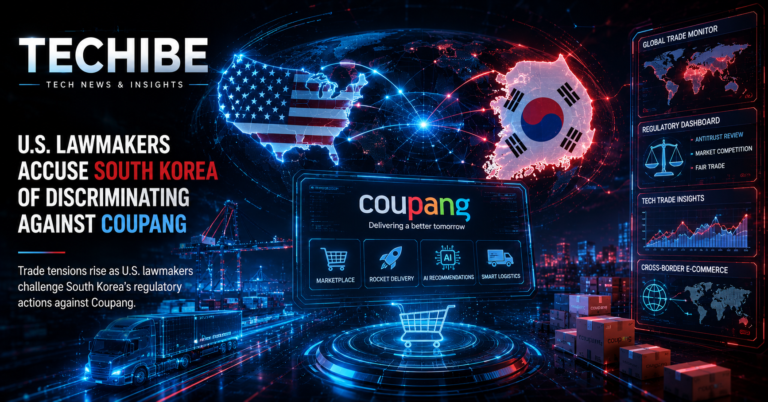
US Lawmakers Accuse South Korea of Discriminating Against Coupang
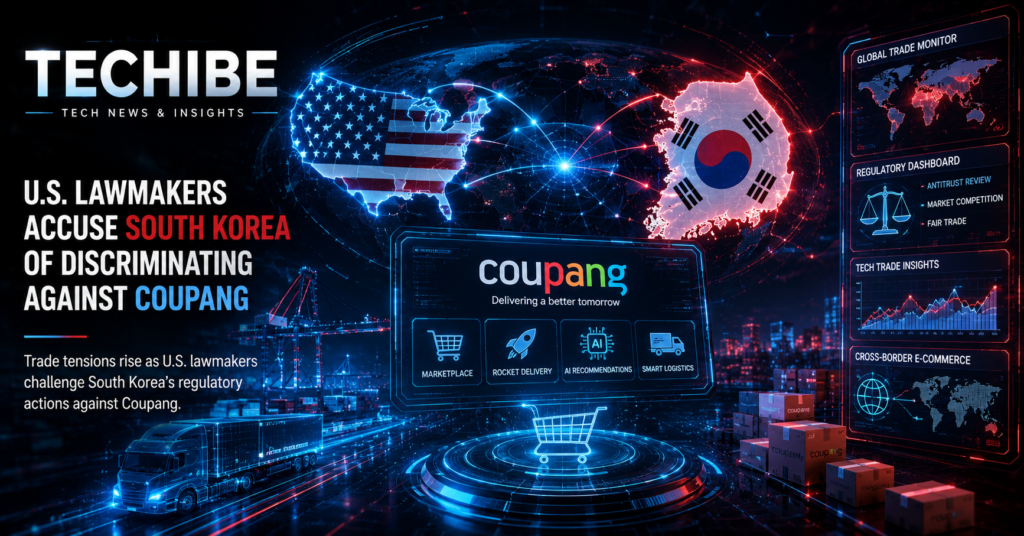
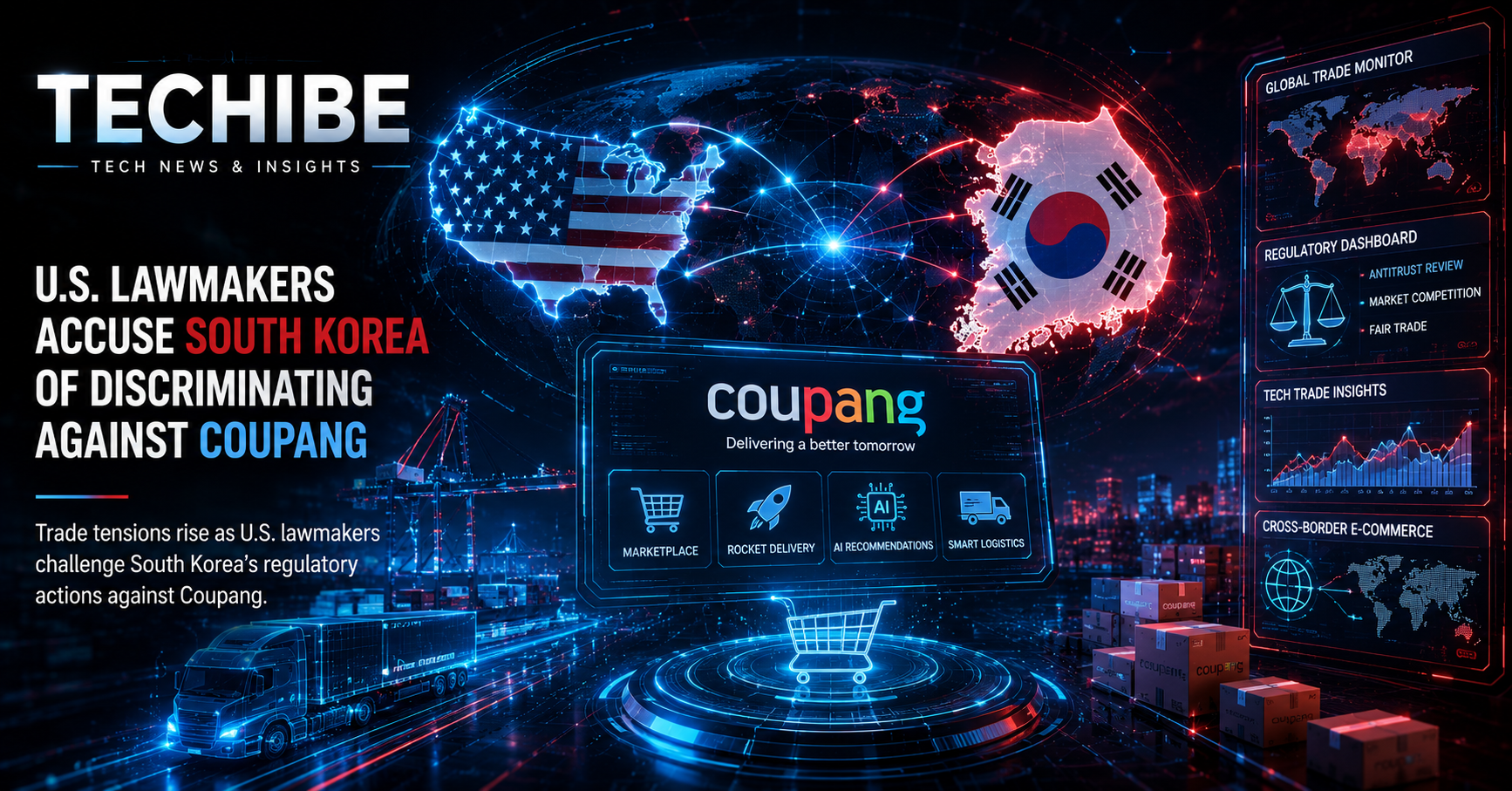
A fresh dispute between the United States and South Korea has once again drawn attention to the growing intersection of competition law, technology, and international trade.A U.S.
House of Representatives committee has stated that South Korean regulators may be engaging in discriminatory treatment toward Coupang, one of the country's largest e-commerce companies.
According to the committee, recent actions taken by South Korean regulators against Coupang could signal unequal treatment of a company that is publicly traded in the U.S. and backed by numerous international investors.
This case is not merely a legal dispute; it has the potential to become a significant issue in the economic and technological relationship between the United States and South Korea.
Where did this dispute begin?
This situation started because of what the Korea Fair Trade Commission did to Coupang.
The Korea Fair Trade Commission looked into some things Coupang was doing and took action because they thought Coupang was not following the rules about competition.
Some people on a committee in the United States think that the Korea Fair Trade Commission might not have treated Coupang the way they treat other big companies in Korea.
These people want the government of South Korea to explain if they enforce the competition rules the way for all companies.The government of South Korea said they investigate companies based on their laws and do not care where the company is, from or where it was started.
Why is Coupang so important?
Coupang is like the Amazon of South Korea. It has become one of the successful online shopping companies in Asia.
The company has spent a lot of money on technology, delivery systems and computer brains. This has helped them make services like delivery, online food shopping and a strong system to get things from one place to another.
Nowadays a lot of people in South Korea use Coupangs services. The company is a part of the countrys online economy.
So when the government takes action against Coupang it affects the companys performance. It also affects how investors feel about the company and the competition, in the shopping market. Coupang is a deal and what happens to it matters to a lot of people who use Coupangs services.
Technology regulation has become an international issue.
In years cases against big companies and laws about fair competition are not just about countries anymore.
Now with tech companies working over the world decisions on rules and regulations can affect how countries invest in each other how they trade and even how they deal with each other.
So governments try to make sure companies follow the rules about competition but they also do not want to seem like they are treating companies, from other countries unfairly.
The Coupang case shows this, where making sure companies follow competition ruless not just about a business disagreement but it also involves countries and their relationships.
What significance does this case hold for U.S.-South Korea relations?
Although the United States and South Korea are among each other's closest trade and security partners, this case demonstrates that disputes over technology policies and competition can create tension even between allies.U.S.
lawmakers maintain that American companies—or those operating in U.S. financial markets—should not face regulations in other countries that are enforced unevenly.
In contrast, the South Korean government insists that all companies, regardless of their place of incorporation or ownership, must comply with the country's competition laws.
This dispute could eventually become part of broader negotiations between the two nations regarding digital trade and the technology economy.
Why have antitrust laws become increasingly important for technology companies?
In recent years, various governments have sought to prevent the formation of monopolies in digital markets.
Major technology companies have come under greater scrutiny than ever before due to their significant market share, vast amounts of user data, and economic influence.
Competition authorities in various countries are now closely examining corporate practices in areas such as:
content recommendation algorithms
product ranking
online advertising
pricing
use of user data
competition with third-party sellers
Consequently, even the world's largest technology companies are facing numerous antitrust cases.
What does this case mean for investors?
Coupang is an e-commerce company in Asia and its shares are traded on the New York Stock Exchange.
If Coupang has any problems it can affect how investors feel about the company, the value of Coupangs stock and the plans Coupang has to grow.
Investors care about how money Coupang makes but they also pay attention to any legal issues Coupang might have.
This is because legal problems can result in Coupang having to pay fines changing the way Coupang does business or having rules that Coupang has to follow.
At the time if the problems between the United States and South Korea get worse it could affect other technology companies that operate in other countries too.This is something that Coupang and other companies, like Coupang should be concerned about.
The Future of Technology Regulation in Global Markets
The Coupang case demonstrates that the future of the digital economy hinges not only on innovation and technological growth but also on the enforcement of competition laws.
As technology companies expand their operations into global markets, the likelihood of disputes between governments regarding the enforcement of antitrust laws is also expected to rise.
Experts believe that in the coming years, international cooperation to establish common standards for competition, digital trade, and the platform economy will become increasingly important.
conclusion
The accusations made by U.S. Lawmakers against South Korea regarding its treatment of Coupang show how complicated the relationship is between technology, trade and politics.Some U.S. Lawmakers are worried about how Coupang was handled. South Korea says it enforces competition laws fairly without favoring any company.
This dispute is an example of how important technology regulations and antitrust policies have become in the digital economy. These regulatory decisions can affect investment, competition and relationships between countries.
The outcome of this case is still uncertain. But one thing is clear: technology regulations and antitrust policies are now issues. They can have an impact, on many areas.
Google Ordered to Pay $1.5 Billion in Antitrust Damages in Sweden
South Korea Investigates Google Over Android App Store Practices
Meta Faces Child Safety Lawsuit in the United States
India's WhatsApp Username Rollout Delayed Over Privacy Concerns
The Future of Global AI Regulation
Big Tech and the New Era of Antitrust Enforcement
Reuters
U.S. House Committee on the Chinese Communist Party
Korea Fair Trade Commission (KFTC)
Coupang Investor Relations
U.S. Trade Representative (USTR)
FAQs
1. Why are U.S. lawmakers criticizing South Korea?
Members of a U.S. House committee claim South Korean regulators may have unfairly targeted Coupang through competition enforcement, raising concerns about discriminatory treatment.
2. What is Coupang?
Coupang is South Korea's largest e-commerce company and is often referred to as the "Amazon of South Korea." Its shares are listed on the New York Stock Exchange (NYSE).
3. What role does the Korea Fair Trade Commission play?
The Korea Fair Trade Commission (KFTC) is South Korea's competition regulator responsible for enforcing antitrust laws and overseeing fair market competition.
4. Could this dispute affect U.S.–South Korea relations?
While both countries remain close allies, disagreements over digital regulation and competition policy could become part of broader trade and technology discussions.
5. Why is this case important for global technology companies?
The dispute highlights how antitrust enforcement is increasingly linked to international trade, foreign investment, and digital market regulation, affecting multinational technology companies operating across borders.