Google Ordered to Pay $1.5 Billion in Landmark Antitrust Damages to Klarna's PriceRunner
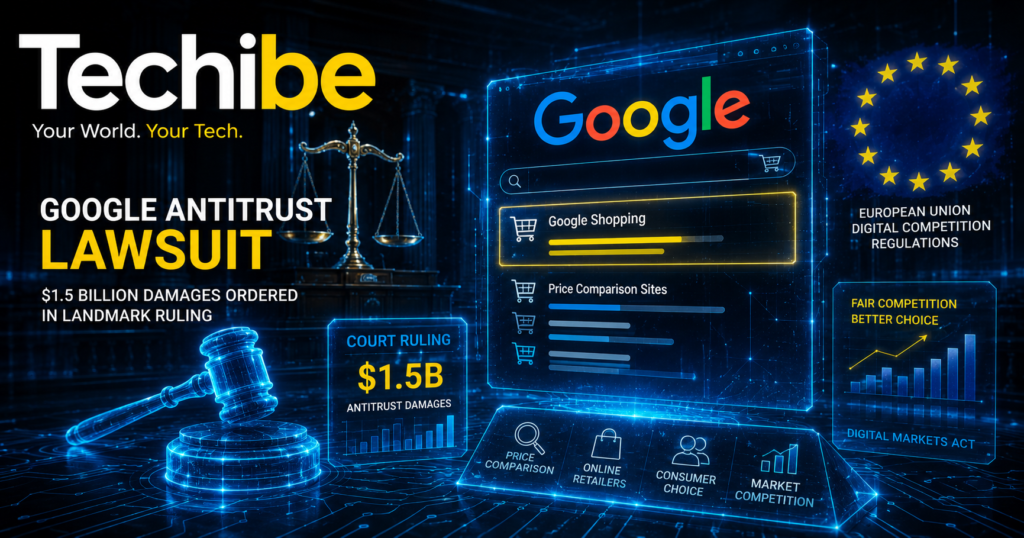
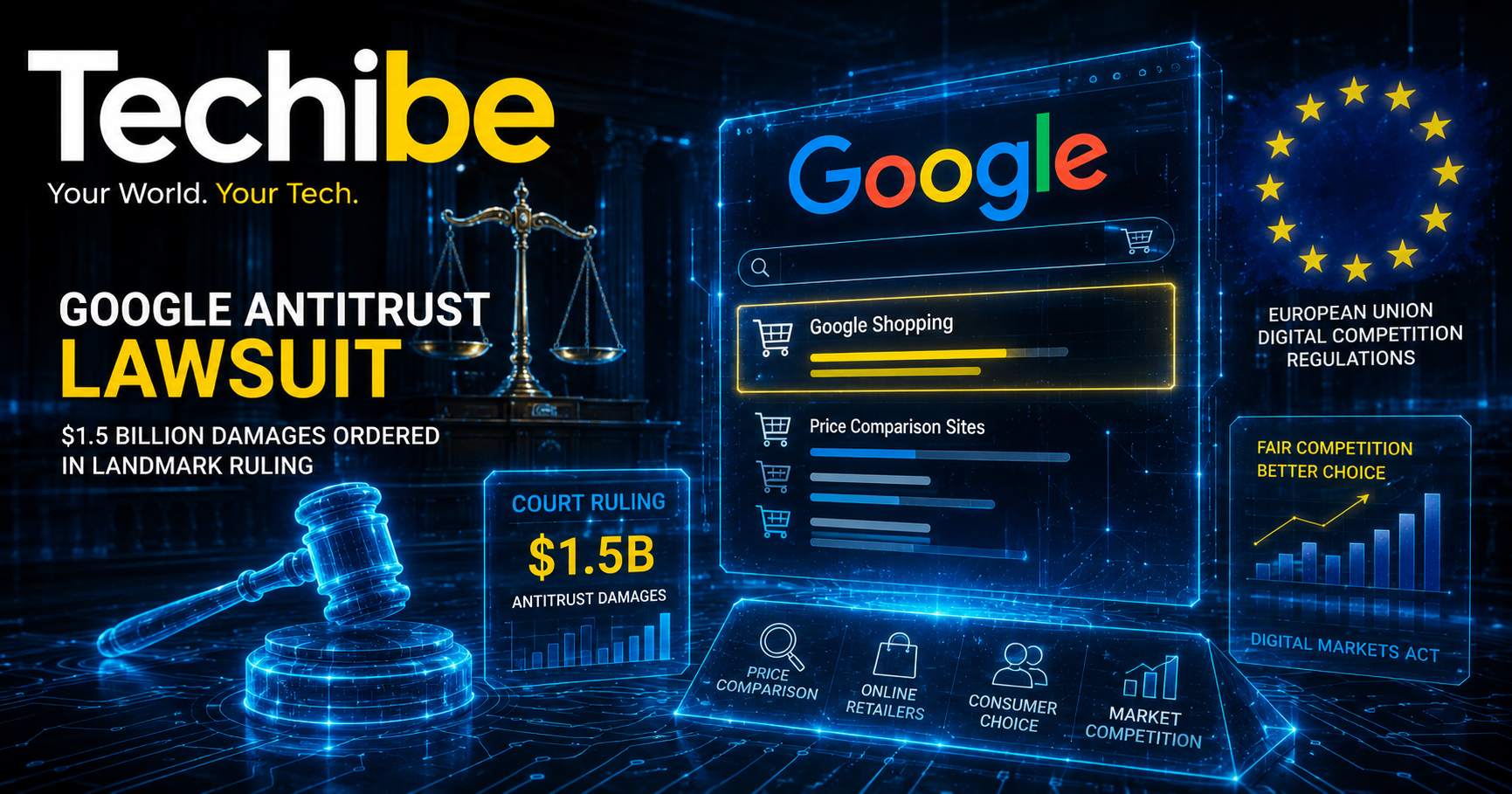
Google had a problem in Europe. A Swedish court said Google must pay $1.5 billion to PriceRunner. PriceRunner is a website that helps people compare prices.
It is owned by Klarna, a fintech company.This happened because of a lawsuit. The lawsuit said Google hurt price comparison websites. Google did this by showing its shopping service, Google Shopping more often in search results.Google will probably appeal the decision..
This ruling is a big deal for European competition law. It will put pressure on big tech companies, like Google.
Important victory for competition rules
The case is the latest in a series of years of scrutiny and oversight by European competition authorities over Google’s activities.
European regulators have repeatedly said that Google has deprived price comparison websites of the opportunity to compete fairly by giving its Google Shopping service a more prominent place in search results.
A Swedish court has also concluded that this behavior has reduced user visits to PriceRunner, reduced customer acquisition and ultimately caused the company significant financial losses.
The damages awarded in the case could be one of the largest ever in an antitrust case against a technology company.
Google's search business remains under scrutiny
Google's search engine remains the company's most profitable business.
Any changes to the way search results are displayed could have a direct impact on online retailers, advertisers, publishers, and businesses that draw a large portion of their users from Google search.
For this reason, regulators believe that a company with such a large market share should provide a level playing field for all businesses and refrain from abusing its dominant position.
The recent court ruling has also highlighted once again that big tech companies should not position their services in a superior position to competitors.
Why isn't this case limited to Sweden?
Although the lawsuit was filed in Sweden, its implications could reach far beyond the country’s borders.
The ruling could also encourage other European companies to seek damages if they can prove they have suffered harm from Google’s past practices.
The case also falls in line with a new regulatory trend in Europe that aims to increase transparency, promote fair competition and limit the monopoly power of big tech companies in areas such as search, digital advertising, e-commerce, cloud computing and artificial intelligence.
As new technology rules are implemented in Europe, similar cases against big tech companies are expected to increase in the coming years.
What impact will this ruling have on Google?
Although Google says it will appeal the ruling this case could have consequences for how Google works in Europe.Google has had cases against it in recent years.
These cases are about things like competition, digital ads, app stores and EU rules, for markets.The recent ruling also shows that it's not just governments that can fine tech companies. Private companies can also claim a lot of money if they can prove they lost out because of these companies.
This might make Google think again about how it shows search results and ads. Google might have to change how it does things.
Implications of this case for the e-commerce industry
The PriceRunner case is not limited to Google, but could affect the entire e-commerce industry.
Price comparison websites, online stores and digital platforms receive a large portion of their traffic from search engines.
If a search engine were to display its own services in a higher position than its competitors, the competitive balance in the market could be seriously disrupted.
For this reason, many e-commerce companies have welcomed the court’s decision, seeing it as a step towards creating fairer competition.
Europe remains the toughest Big Tech regulator
The European Union has been making a lot of laws about technology in the last few years.
They made laws like the Digital Markets Act and the Digital Services Act to make sure big technology companies like Google, Apple, Meta, Amazon and Microsoft are fair and honest.
The European Union wants these companies to be transparent and accountable for what they do.
The Digital Markets Act and the Digital Services Act are laws that aim to increase competition and transparency of technology companies like Google, Apple, Meta, Amazon and Microsoft.
These laws require Google, Apple, Meta, Amazon and Microsoft to make sure they do not abuse their power in the market.
A court in Sweden recently made a decision that shows Europe is serious about making sure technology companies like Google, Apple, Meta, Amazon and Microsoft compete fairly.
The European Union is taking a stance on how technology companies, like Google, Apple, Meta, Amazon and Microsoft behave when it comes to competition.
conclusion
The Swedish court decision against Google is a deal in antitrust cases for 2026.The verdict is not final yet. Google can still appeal.. It shows that if you are a big tech company you cannot use your power to hurt others. You might have to pay fines and also give money to companies that you hurt.In Europe competition laws are being enforced more.
This means that big tech companies will face pressure to be fair in areas like search, online ads, online shopping and services. They will have to make sure everyone has a chance to compete.Big tech companies are in trouble. They have to change how they do business.
The Swedish court decision is a warning to them. They have to be careful not to hurt companies.The decision is also news for smaller companies. They can compete with tech companies without being hurt. They can. Be successful.So the Swedish court decision is a deal. It shows that Europe is serious, about competition. Big tech companies have to listen.
FAQs
1. Why was Google ordered to pay $1.5 billion?
A Swedish court ruled that Google's practice of favoring Google Shopping in search results caused financial harm to PriceRunner, a price comparison platform owned by Klarna.
2. What is PriceRunner?
PriceRunner is a European online price comparison service that helps consumers compare products and prices across multiple retailers. It is owned by fintech company Klarna.
3. Has Google accepted the ruling?
No. Google is expected to appeal the decision, meaning the legal process is likely to continue before a final outcome is reached.
4. Why is this antitrust case important?
The ruling reinforces Europe's efforts to ensure fair competition in digital markets and could encourage other companies to seek damages if they believe they were harmed by anti-competitive practices.
5. Could this affect Google's business?
Potentially. While the immediate impact is financial, the case may influence how Google presents search results and manages competition within its online services in the future.