Meta Loses Court Bid as Child Addiction Lawsuit Against Facebook and Instagram Moves Forward
Meta just had a problem with the law. A judge said no to Metas request to stop a lawsuit. This lawsuit says that Facebook and Instagram are bad for kids and teenagers because they are too addictive.
A lot of states are working together on this lawsuit. They say that Meta made Facebook and Instagram in a way that gets kids to use them for a time. They also say that Meta did not do enough to make things better even though they knew it could hurt kids mental health.Now Meta has to go to court. This is going to be a really big deal for them. It is one of the legal problems Meta has had in a long time.
Meta will have to deal with this lawsuit. It will be a big challenge, for the company.
Why is this case important?
The lawsuit is not just about how long people spend on social media, but also about how the platforms are designed.
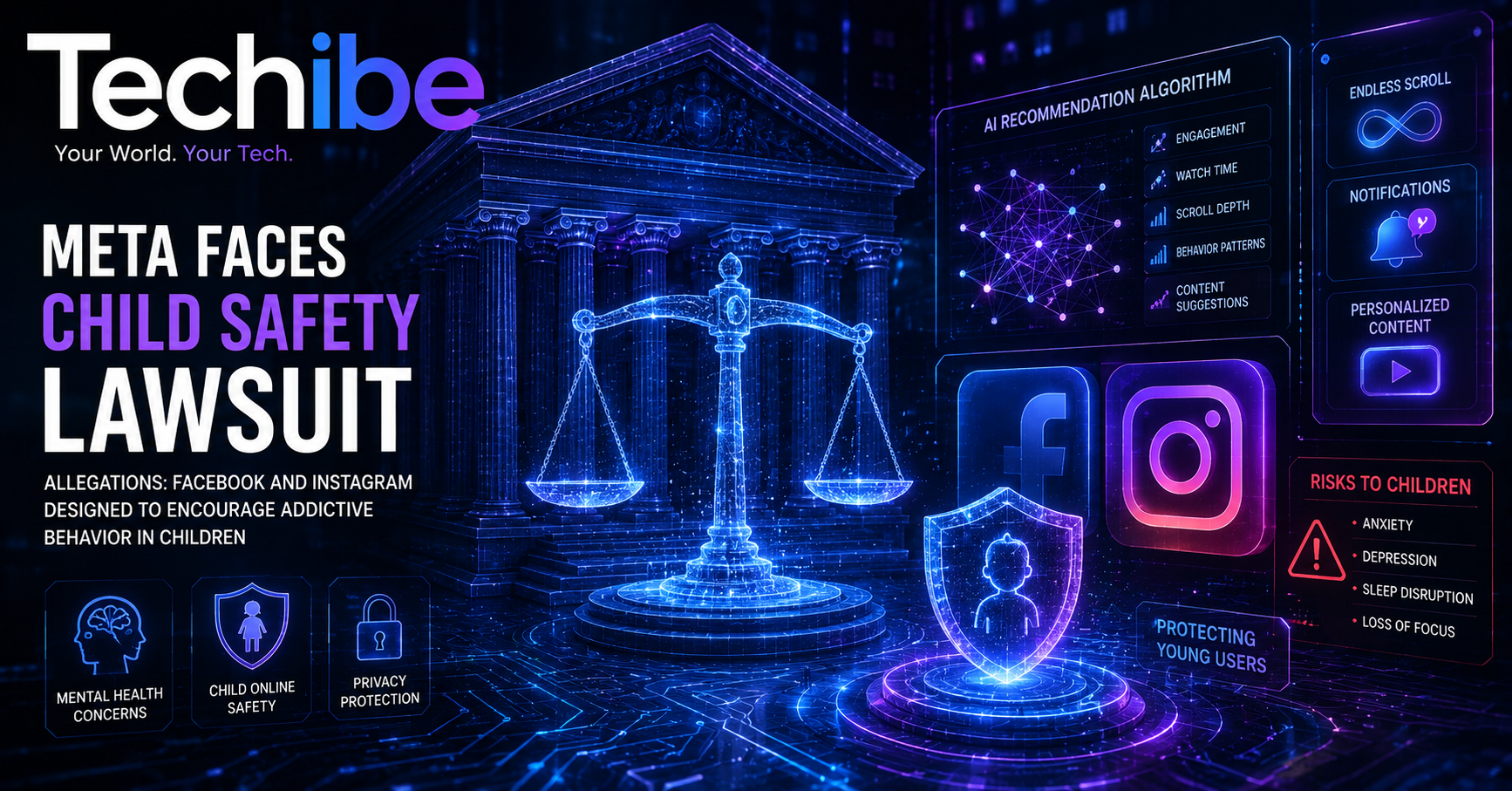
US state prosecutors allege that Meta designed features such as content recommendation algorithms, endless scrolling, persistent notifications and user engagement systems to encourage teens to spend more time on these social media platforms
.The lawsuit states that this design can lead to consequences such as:
Increased social media addiction
Anxiety
Depression
Sleep disturbances
Reduced concentration
Mental health
In contrast, Meta has denied these claims and stated that in recent years it has introduced numerous tools for parental control, screen time management, and improving users' digital health.
The court authorized the continuation of proceedings regarding a significant part of the complaint.
Meta had asked the court to dismiss a significant portion of the case before trial.
But the judge in the case said that many of the claims raised by the states had sufficient merit to continue in court and should be heard in court.
The court also allowed some of the claims related to the Children’s Online Privacy Protection Act (COPPA) to proceed, an issue that will increase the legal pressure on Meta even more than before.
Of course, the decision does not mean that Meta is condemned, but only that the court has found sufficient grounds to continue reviewing the case.
Pressure is mounting on social media around the world.
The Meta case is part of a problem that has been happening over the past few years with big tech companies.
Governments and regulators and health experts and families in countries are getting really worried about how social media is affecting the mental health of kids and teenagers.
They are making rules about things like
* checking how old users are
* keeping kids safe online
* being honest about how they suggest content
* protecting peoples personal information
* limiting time spent on social media
* helping users feel good,
about their time onlineTechnology companies are also spending more money on safety tools and parental controls to protect younger users.
What impact will this case have on the future of the social media industry?
Experts believe the case could be one of the most important legal cases in social media history.
If the court ultimately rules in favor of the states, tech companies could be forced to make sweeping changes to how they design their platforms, particularly in areas related to increased user engagement and content recommendation algorithms.
Such a decision could set new standards for the entire tech industry and change the way digital products are developed for years to come.
What challenges does Meta face?
The latest case is one of several legal challenges that Meta is dealing with.
Meta is also dealing with problems like antitrust investigations and new laws from the European Union.The company has to follow rules about protecting peoples data. The government is watching social media companies more closely.
Meta is also worried about platforms like TikTok that are becoming popular really fast.This has made Meta spend a lot of money on intelligence and trying to get people to use their platform more.
Meta is really focused on making people engage with their platform. This is a big part of the lawsuit, against Meta.
Digital health has become a new priority for technology companies.
In recent years, major tech companies have invested heavily in digital health tools.
Features such as:
Screen time management
Parental controls
Restrictions for teen accounts
Default privacy settings
Tools to report harmful content
Restricting the recommendation of certain content to underage users
All have been developed with the aim of alleviating concerns about the impact of social media on mental health.
However, critics argue that these measures are still not enough to combat the effects of addictive algorithms.
conclusion
Meta’s move to try and get this case thrown out shows that big tech companies are still under a lot of pressure.
This case is important because it could decide if social media companies are responsible for how their platforms affect kids and teens mental health. This could change how social media platforms are built in the future.
As governments make new stricter laws to keep users safe social media companies will have to find a balance, between keeping users engaged making money from ads and being socially responsible. This could completely change the media industry.
FAQs
1. What is the Meta child addiction lawsuit?
The lawsuit, filed by multiple U.S. states, alleges that Meta designed Facebook and Instagram in ways that encourage addictive behavior among children and teenagers, contributing to mental health problems.
2. Why did the judge reject Meta's request?
The federal judge ruled that many of the states' allegations contain sufficient legal grounds to proceed, allowing the lawsuit to continue toward trial.
3. Does this ruling mean Meta has been found liable?
No. The ruling only allows the case to move forward. The court has not determined whether Meta violated any laws.
4. What laws are involved in the case?
The lawsuit includes claims related to consumer protection as well as alleged violations of the Children's Online Privacy Protection Act (COPPA), which regulates the collection of personal information from children online.
5. How could this case affect the technology industry?
The outcome could influence future regulations governing social media platforms, child online safety, recommendation algorithms, and digital wellbeing, potentially requiring technology companies to redesign certain platform features.