Extreme Weather Is Becoming the Biggest Threat to AI Data Centers
The AI boom has driven unprecedented investment in data centers around the world. As companies race to train larger AI models and deploy enterprise AI services, thousands of new centers are being built to power the next generation of computing.
However, a growing challenge is reshaping the industry’s long-term strategy: adverse weather.
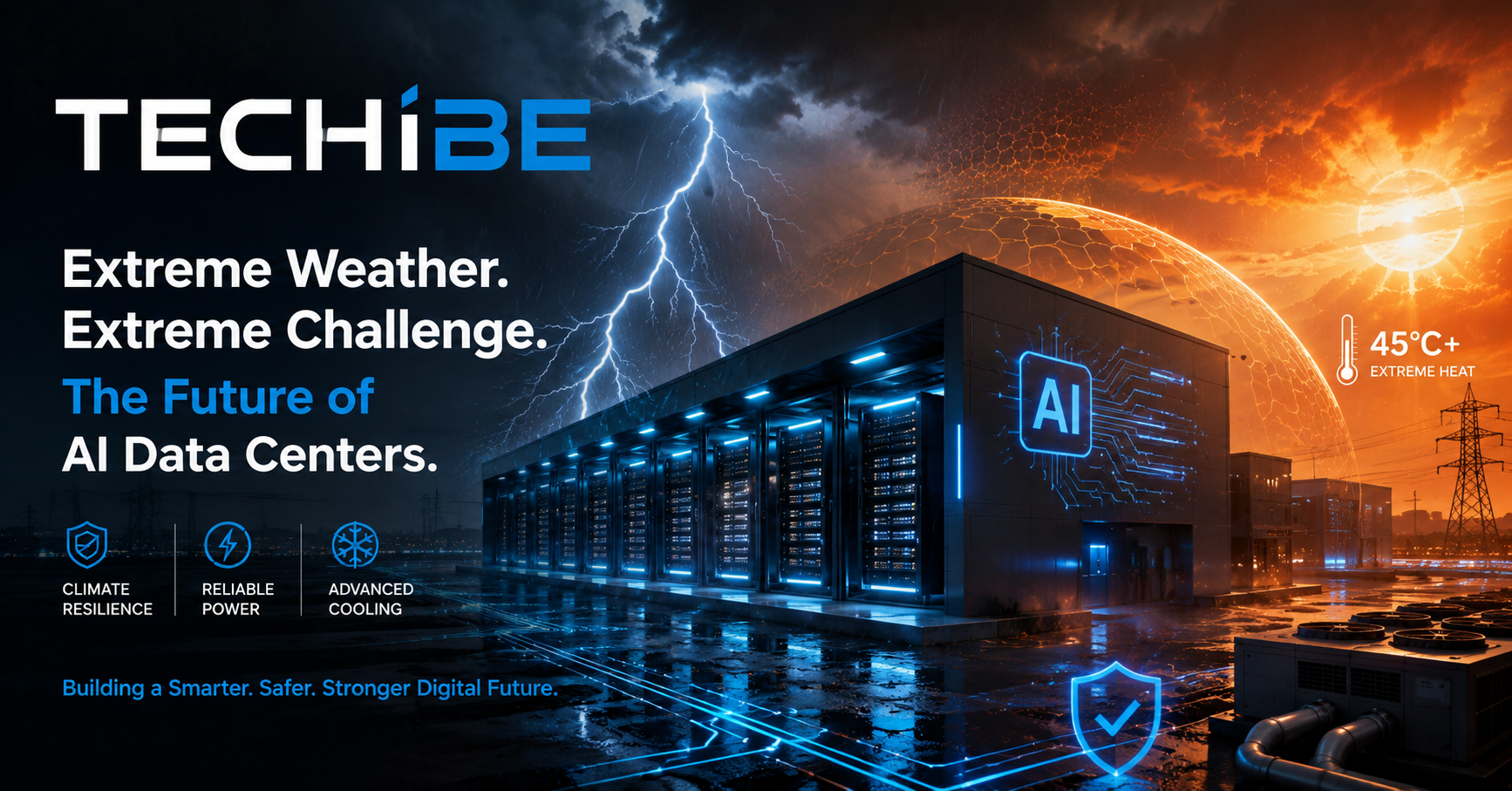
Heatwaves, storms, floods, droughts, and severe weather events are placing increasing strain on AI infrastructure that was never designed to operate under such unpredictable conditions. While businesses often focus on GPU shortages and rising electricity demand, weather-related disruptions are emerging as an equally significant risk to the future of AI.
According to recent industry reports, insurers and infrastructure professionals now see adverse weather as one of the fastest-growing operational risks facing modern data centers. Facilities supporting AI workloads consume large amounts of electricity and require complex cooling systems that become increasingly difficult and expensive to operate during periods of extreme heat.
Why AI Data Centers Are More Vulnerable Than Ever
Modern AI models require tremendous computing power.
Unlike traditional cloud applications, productive AI workloads rely on massive clusters of high-performance GPUs that run continuously for weeks or even months. These processors generate significant heat, forcing operators to employ advanced cooling technologies to maintain stable performance.
When outside temperatures rise dramatically, cooling systems have to work harder and use more electricity. This not only increases operating costs, but also increases the likelihood of equipment failure if environmental conditions exceed design limits.
At the same time, many large-scale data centers are being built in areas with abundant electricity or accessible land, rather than in areas optimized for long-term resilience to climate change. As extreme weather events become more frequent, infrastructure planners are being forced to rethink where future AI facilities will be located.
Climate Risks Are Expanding Beyond Heat
Although heat waves get the most attention, they are only part of a much larger challenge.
Floods can damage critical electrical infrastructure, storms may disrupt regional power grids, droughts can reduce access to water used for cooling systems, and wildfires threaten both physical facilities and transmission networks.
For AI companies operating globally, maintaining continuous uptime increasingly requires preparing for multiple weather-related risks rather than a single environmental threat.
This growing exposure has led technology companies, insurers, and infrastructure investors to reevaluate how they design, finance, and secure future AI data centers.
Why Climate Resilience Is Becoming a Business Priority
The rapid expansion of AI has made data centers some of the world's most valuable digital assets. For cloud service providers and enterprise AI companies, even a brief outage can disrupt critical business operations, disrupt AI services, and cause significant financial losses.
As a result, climate resilience becomes as important as computational performance.
Technology companies are increasingly investing in advanced cooling technologies, backup power systems, flood protection, fire mitigation strategies, and AI-powered infrastructure monitoring. Instead of building larger facilities, operators are designing data centers that can adapt to unpredictable environmental conditions.
Insurance providers are also changing how they value their AI infrastructure.
Recent industry assessments show that adverse weather has become a major source of risk for large-scale data center projects. This shift is impacting insurance premiums, infrastructure financing, and long-term investment decisions across the technology sector.
The Energy Challenge Behind AI Growth
Artificial intelligence is dramatically increasing global electricity demand.
Training large language models, running AI inference, and supporting enterprise applications requires massive amounts of computing power. As large-scale data centers proliferate, utilities are struggling to provide reliable electricity while maintaining stable energy grids.
Adverse weather conditions further complicate the challenge.
Heat waves increase electricity consumption as cooling systems operate at maximum capacity, while storms and wildfires threaten the infrastructure that delivers power to data centers.
The combination of growing AI demand and weather-related disruptions is forcing technology companies to rethink where and how to build future facilities.
Many organizations are looking at locations with cooler climates, stronger renewable energy capacity, and more resilient electrical infrastructure to reduce long-term operational risks.
Innovation in Data Center Cooling
Cooling technology is becoming one of the fastest-growing areas of innovation in the AI infrastructure industry.
Traditional air-cooled systems are gradually being replaced or supplemented by more efficient solutions such as liquid cooling, immersion cooling, and advanced heat recovery technologies. These approaches can significantly improve energy efficiency while supporting increasingly powerful AI processors.
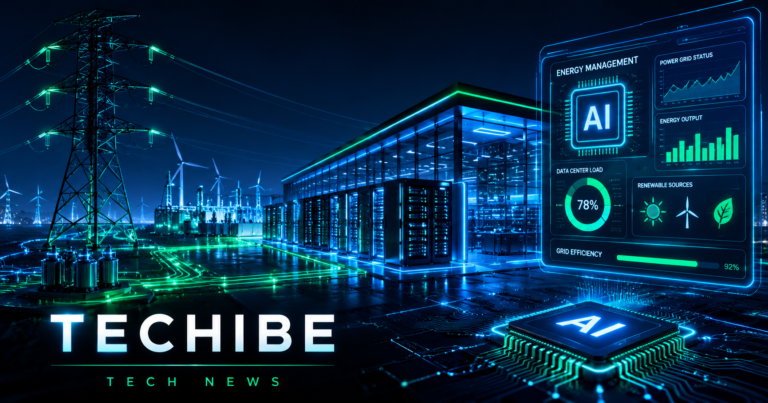
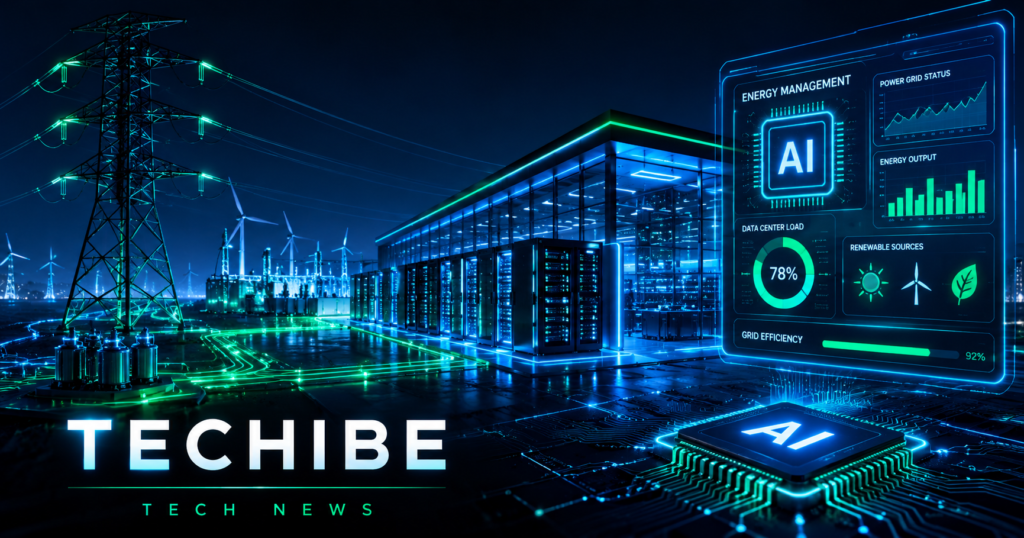
Large cloud service providers are also using AI to optimize cooling operations. AI-powered monitoring systems can analyze temperature, humidity, airflow, and energy consumption in real time and automatically adjust cooling resources to maximize efficiency and reduce operating costs.
As AI hardware becomes more powerful, efficient cooling will be as important as faster processors in determining the future performance of enterprise AI infrastructures.
Why This Matters for Businesses
In recent years, the artificial intelligence industry has focused on chips, cloud platforms, and increasingly powerful foundation models; however, the next competitive advantage may lie in something far less visible: resilient infrastructure.
For companies deploying AI at scale, infrastructure reliability is now a strategic business issue, not just an operational concern. Unexpected outages can disrupt customer service, delay AI model training, impact financial transactions, and disrupt critical business applications.
Organizations evaluating cloud service providers are increasingly considering factors beyond GPU availability and pricing. Climate resilience, energy efficiency, disaster recovery capabilities, and infrastructure redundancy are becoming essential criteria when selecting AI cloud partners.
This shift encourages technology companies to build smarter, more sustainable facilities that can operate reliably even in the face of increasing environmental risks.
The Future of AI Infrastructure
The next generation of AI data centers will likely look very different from today’s facilities.
Industry experts expect future AI infrastructures to rely on liquid cooling, renewable energy integration, intelligent energy management, modular designs, and geographically distributed computing resources that reduce reliance on any single location.
Artificial intelligence will also play a significant role in protecting infrastructure. Predictive AI systems can monitor weather forecasts, power demand, equipment health, and cooling performance to predict failures before they happen, allowing operators to respond proactively rather than reacting after disruptions occur.
Governments are also expected to play a greater role by supporting electricity grid modernization, investing in renewable energy and climate-resilient digital infrastructure, and acknowledging that AI data centers are becoming critical national assets.
Conclusion
Artificial intelligence is transforming virtually every industry, yet its future hinges on more than just faster chips and larger language models.
Adverse weather is emerging as a critical challenge for AI infrastructure, compelling technology companies to rethink how they design, power, cool, and protect data centers.
Organizations that invest in resilient infrastructure today will be better positioned to support AI innovation in the coming decade while mitigating operational risks associated with climate change.
As the global race to build AI infrastructure accelerates, resilience may become as valuable as computational performance.
FAQs
1. Why are AI data centers vulnerable to extreme weather?
AI data centers require massive amounts of electricity and advanced cooling systems. Heatwaves, floods, storms, and other climate events can disrupt operations and increase infrastructure risks.
2. How does extreme heat affect AI infrastructure?
High temperatures force cooling systems to work harder, increasing electricity consumption, operating costs, and the risk of hardware failures.
3. What cooling technologies are being adopted for AI data centers?
Many operators are investing in liquid cooling, immersion cooling, AI-powered cooling optimization, and advanced heat recovery systems to improve efficiency.
4. Why is climate resilience becoming important for cloud providers?
Businesses increasingly depend on uninterrupted AI services. Climate-resilient infrastructure helps reduce downtime, protects investments, and ensures long-term reliability.
5. Will climate change influence where future AI data centers are built?
Yes. Many companies are evaluating locations with cooler climates, stronger power grids, abundant renewable energy, and lower environmental risks when planning future AI facilities.