
Austria Pushes to Host Anthropic as Europe Accelerates Its AI Sovereignty Strategy
Europe’s race to acquire autonomous AI capabilities is intensifying.
It is currently lobbying EU officials to position itself as a potential host for Entropic AI operations following new US restrictions affecting international access to advanced AI technologies. The provider is seeking to strengthen Europe’s regional AI infrastructure while reducing its reliance on foreign providers.
These discussions come as governments around the world increasingly see AI as a strategic infrastructure, not just another software industry. Access to leading AI models, high-performance computing and cloud infrastructure is closely linked to economic competitiveness, national security and technological independence.
For Europe, attracting leading AI companies like Entropy is more than just an investment opportunity – it is part of a long-term strategy to build an autonomous AI ecosystem capable of competing with the united states of china
Why AI Sovereignty Has Become a Global Priority
Artificial intelligence is rapidly becoming an essential infrastructure for governments, businesses, healthcare systems, financial institutions, manufacturers, and scientific research.
As reliance on advanced AI increases, countries are increasingly concerned about becoming completely dependent on foreign technology providers for critical AI capabilities.
This has increased interest in AI governance – the ability of nations or regions to develop, deploy, regulate and access advanced AI technologies under their own legal and strategic frameworks.
Rather than importing every critical AI service, governments are investing in domestic cloud infrastructure, high-performance computing, semiconductor manufacturing and partnerships with leading AI companies.
Europe has made AI governance one of its key technology goals, combining regulatory initiatives with investments in computing infrastructure and AI research.
Why Anthropic Matters
Entropic has emerged as one of the world's leading AI companies, developing advanced foundational models for enterprise applications, scientific research, and responsible AI deployment.
The company's AI systems are increasingly being used by businesses seeking secure and reliable generative AI solutions for customer service, software development, data analytics, and enterprise automation.
Hosting part of Entropic’s operations in Europe could provide businesses and government institutions with better access to advanced AI capabilities, while supporting local data management requirements and strengthening regional AI infrastructure.
For European policymakers, attracting global AI leaders is an important step towards creating a competitive AI economy that balances innovation, regulation, and technological independence.
Europe's Growing AI Infrastructure Ambitions
Over the past few years, the European Union has significantly increased investment in AI infrastructure, high-performance computing (HPC), semiconductor manufacturing, and cloud technologies.
While Europe continues to host world-class AI research institutions and technology talent, policymakers have expressed concern that much of the commercial AI ecosystem is dominated by companies headquartered in the United States.
This imbalance has encouraged European governments to pursue policies that support local AI innovation while also attracting international tech companies willing to establish regional operations.
Austria’s reported bid to host Entropic is indicative of this broader strategy to strengthen Europe’s AI ecosystem through investment in infrastructure, regulatory certainty, and international partnerships.
Rather than being a mere consumer of AI services developed elsewhere, Europe aims to become an active participant in the next generation of AI innovation.
Why AI Access Is Becoming a Strategic Issue
Access to leading-edge AI models is no longer seen simply as a business advantage.
Governments increasingly see advanced AI capabilities as essential for economic development, cybersecurity, scientific research, healthcare innovation, education, and national competitiveness.
Recent policy changes affecting access to specific AI technologies have demonstrated how geopolitical decisions can influence where businesses deploy AI systems and where technology companies locate their regional operations.
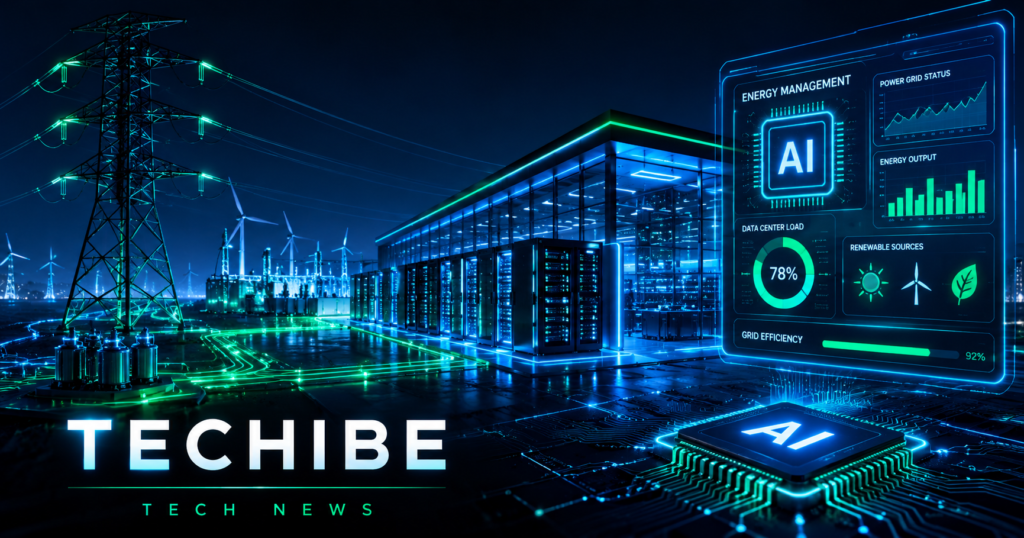
As a result, countries are competing not only to regulate AI, but also to host the infrastructure that supports it – including AI data centers, cloud platforms, research labs, and engineering teams.
For Europe, ensuring reliable access to advanced AI technologies, alongside investment in semiconductor manufacturing and digital infrastructure, has become a strategic priority.
Why Austria Wants to Become an AI Hub
Austria has steadily expanded its reputation as a hub for innovation, advanced manufacturing, and scientific research.
Hosting part of Entropic’s European operations strengthens the country’s position in the continent’s tech ecosystem while attracting highly skilled engineers, researchers, startups, and international investment.
The economic benefits could extend beyond Entropic itself.
Large AI companies are creating ecosystem-based innovation by collaborating with universities, cloud providers, enterprise software companies, semiconductor companies and research organizations.
This network effect, already seen in global technology hubs, is where leading AI companies are accelerating startup formation, venture capital and digital transformation across industries.
Austria’s proposal therefore represents more than a single investment opportunity – it is part of a long-term vision to become a strategic location in Europe’s expanding AI economy.
What This Means for Global AI Competition
The competition around AI is evolving beyond model performance.
While companies continue to develop increasingly powerful large-scale language models, governments are increasingly competing to provide the infrastructure, talent, and regulatory environments needed to support AI’s long-term growth.
Europe’s push to attract companies like Entropic demonstrates that future AI leadership depends not only on technological advances, but also on where AI systems are trained, deployed, and managed.
Countries that are able to provide secure cloud infrastructure, advanced computing resources, stable regulations, and access to highly skilled engineers are likely to become major AI hubs in the coming decade.
Austria’s proposal reflects this changing landscape, where hosting AI infrastructure has become as strategically important as developing AI software itself.
The Future of AI Sovereignty
AI governance is expected to become one of the defining technology issues of the next decade.
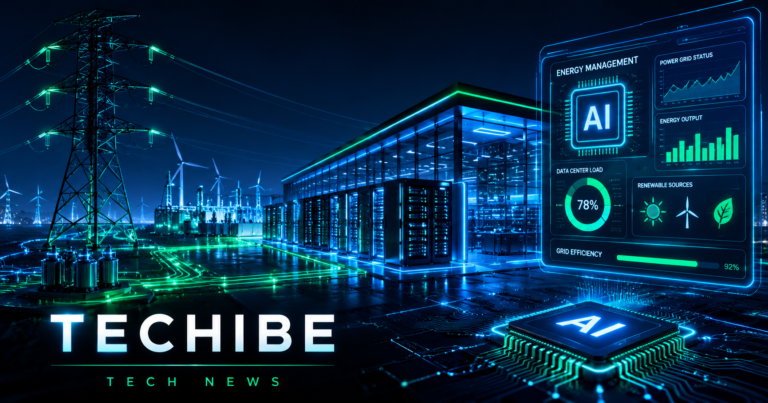
Governments around the world are investing billions of dollars in semiconductor manufacturing, large-scale data centers, autonomous cloud platforms, and AI research to reduce dependence on foreign providers.
Rather than relying exclusively on foreign infrastructure, many countries are pursuing hybrid strategies that combine partnerships with leading AI companies while strengthening domestic capabilities.
For businesses, this trend can provide greater regional access to AI services, improved regulatory compliance, stronger data protection, and more resilient digital infrastructure.
For AI companies, expanding operations across regions is increasingly important as customers demand local infrastructure, data storage, and regulatory certainty.
Conclusion
Austria’s reported bid to host Entropy highlights a significant shift in the global AI landscape.
The debate is no longer focused solely on developing the most advanced AI models – but also on determining where to build AI infrastructure, controlling access to leading-edge technologies, and how to strengthen countries’ technological autonomy.
As Europe’s AI governance strategy gains momentum, collaboration with leading companies in the field can play a vital role in creating a competitive and resilient regional ecosystem for AI.
For governments, businesses and technology investors, the message is clear: the future of AI will be shaped not only by innovation, but also by infrastructure, policy and global strategic partnerships.
FAQs
1. What is AI sovereignty?
AI sovereignty refers to a country's or region's ability to develop, access, regulate, and operate artificial intelligence technologies using its own infrastructure, laws, and strategic policies.
2. Why does Austria want to host Anthropic?
Austria aims to strengthen its position within Europe's AI ecosystem by attracting advanced AI infrastructure, investment, and highly skilled technology talent.
3. Why is Europe investing in AI sovereignty?
The European Union wants to reduce dependence on foreign AI providers while improving technological competitiveness, data governance, and digital resilience.
4. How could this benefit European businesses?
Greater regional AI infrastructure could improve access to advanced AI models, enhance regulatory compliance, strengthen data protection, and support enterprise AI adoption.
5. Why is AI infrastructure becoming strategically important?
AI infrastructure—including cloud computing, data centers, semiconductors, and high-performance computing—is the foundation that enables advanced AI applications, economic growth, and national competitiveness.