
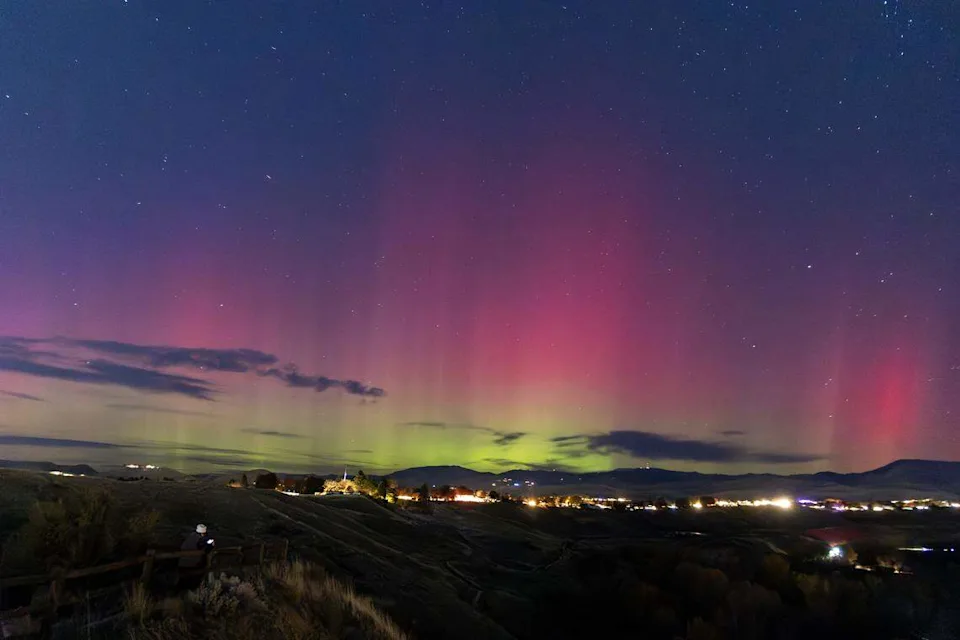
Boise, Idaho, residents have a rare opportunity to see the northern lights on the evening of Thursday, June 4, into the early hours of Friday, June 5, 2026, from dark-sky locations north of the city. A coronal mass ejection from the sun is expected to strike Earth’s atmosphere, creating a visible aurora borealis along the northern horizon, according to the National Weather Service office in Boise.
What Is the Aurora Borealis?
The aurora borealis, commonly known as the northern lights, is a natural light display in Earth’s sky. According to NASA, it is caused by an intricate interaction of particles and magnetic fields between the Sun and Earth, known as space weather. An aurora can appear in a variety of colors, from eerie green to blue and purple, and even pink and red, depending on the type of gas particles involved and the altitude at which the collision occurs.
Key Facts at a Glance
| Detail | Information |
|---|---|
| Event | Aurora Borealis / Northern Lights |
| Location | Boise, Idaho, and surrounding areas |
| Date | Thursday, June 4 – Friday, June 5, 2026 |
| Best Viewing Window | 11:30 PM to 3:45 AM MDT |
| Cause | Coronal mass ejection from June 2, 2026 |
| Confidence Level | Fair (Space Weather Prediction Center) |
| Viewing Window | Up to 16 hours from initial impact |
| Source | National Weather Service, Boise |
What Is Causing the Northern Lights Tonight?
The aurora event is being driven by a series of explosive coronal mass ejections that originated from the sun on Tuesday, June 2, 2026, according to the National Weather Service’s Space Weather Prediction Center.
The Space Weather Prediction Center described it as “a rather complex series of events and circumstances” on a Wednesday, June 3 post on the social platform X. Officials noted that the ejections may create a visible aurora if they remain on their earthbound path, though other solar activity could potentially knock them off course before reaching Earth’s atmosphere.
As of 3:40 PM on Thursday, the solar flare predicted to hit Earth had not yet made an impact, but forecasters confirmed a 16-hour viewing window remained open.
Will the Northern Lights Actually Be Visible in Boise?
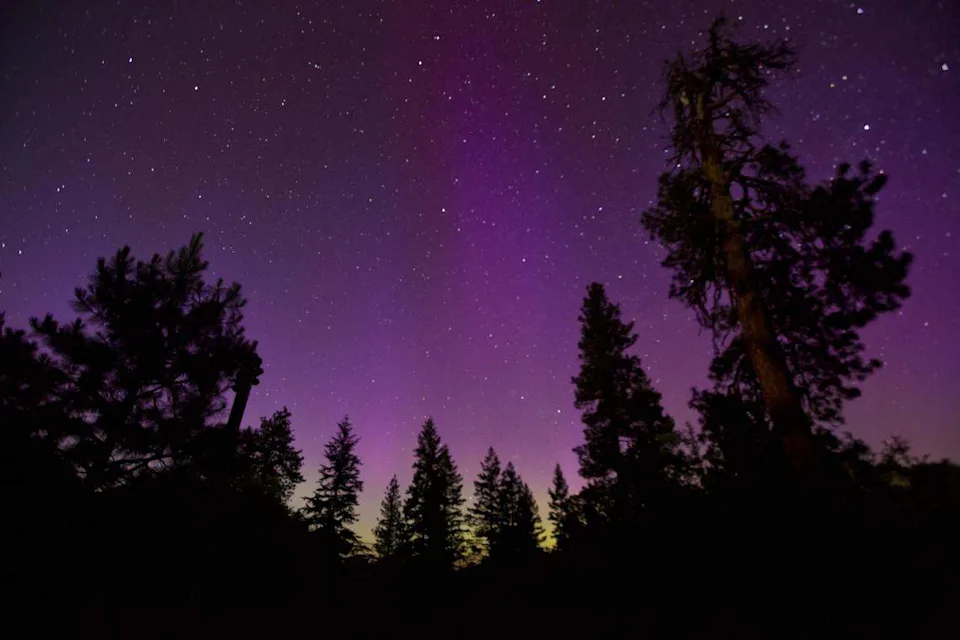
National Weather Service meteorologist Korri Anderson, speaking from the Boise forecast office, told the Idaho Statesman that residents have a genuine but uncertain chance of witnessing the event.
Anderson said.
“There’s a good probability of aurora over the Northern Hemisphere,”
However, Anderson was careful to temper expectations.
“There’s a chance that Boise could see the aurora borealis, but it’s never guaranteed. Each one of these coronal mass ejections is different, and so it’s kind of hard to pinpoint.”
The Space Weather Prediction Center rated confidence in the aurora borealis as “fair,” meaning conditions are favorable but not certain. The ejection’s path and intensity will determine how far south the lights are visible.
When Is the Best Time to See the Northern Lights in Boise?
The optimal viewing window in Boise falls during astronomical twilight, when the sky is at its absolute darkest.
“The best viewing window will be during astro twilight, so around 11:30 PM to 3:45 AM if it does happen,” Anderson confirmed.
The Space Weather Prediction Center updates its aurora forecasts every 30 minutes, so checking regularly throughout the evening is recommended for anyone planning to watch. The ejection could arrive anywhere from six to eight hours earlier than expected or up to eight hours later.
Where to Watch Northern Lights Near Boise
Light pollution from Boise’s city center will reduce visibility for residents who stay downtown. The best strategy is to move north of the city, away from artificial light sources.
Locations that have previously offered good aurora viewing near Boise include the area north toward Bogus Basin, where the northern lights were documented shimmering in the night sky as recently as June 22, 2015. Camel’s Back Park also offered a sightline to the north when a solar storm produced aurora on November 12, 2025.
“If you get away from the city lights, there’s a chance you can see it,” Anderson said.
The Space Weather Prediction Center also advises viewers to be mindful of the moon. A fuller moon can interfere with aurora visibility. Looking away from the lunar face or shielding it from view with an object can improve the chances of spotting the lights.
How to Watch: Step-by-Step Viewing Guide
- Check the Space Weather Prediction Center’s 30-minute aurora forecast before heading out
- Drive north of Boise away from city light pollution
- Arrive at your viewing location before 11:30 PM MDT
- Allow your eyes at least 15–20 minutes to adjust to the darkness
- Look toward the northern horizon, not directly overhead
- Shield the moon from your direct line of sight if it is visible
- Use a camera or smartphone set to night mode to capture faint aurora that eyes may miss
- Stay until at least 3:45 AM MDT for the full viewing window
How Does a Coronal Mass Ejection Cause the Northern Lights?
A coronal mass ejection (CME) is a large expulsion of plasma and magnetic field from the sun’s corona. When a CME reaches Earth, it interacts with the planet’s magnetosphere, the magnetic field that surrounds Earth. This interaction funnels charged particles toward the polar regions, where they collide with gas particles in the upper atmosphere. Those collisions release energy in the form of light, producing the colorful aurora visible from the ground.
The June 2, 2026, ejections were described by forecasters as a complex series of events, meaning multiple CMEs may have combined or overlapped on their way to Earth, which can either intensify or complicate the resulting aurora.
Northern Lights in Boise: Historical Context
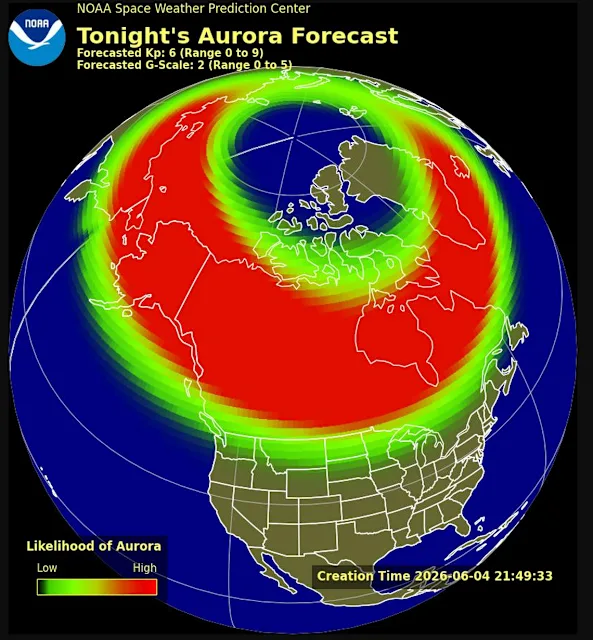
Boise is not traditionally within the aurora borealis viewing zone, which typically requires latitudes above 55 to 65 degrees north. Boise sits at approximately 43.6 degrees north latitude. However, during periods of intense solar activity known as geomagnetic storms, the aurora oval expands southward, bringing the lights within view of cities like Boise, Salt Lake City, and even parts of the American Southwest.
Notable past sightings near Boise include the June 2015 event photographed near Bogus Basin and the November 2025 aurora seen from Camel’s Back Park during a strong solar storm.
Frequently Asked Questions
Q: Will the northern lights be visible in Boise tonight?
There is a fair chance the northern lights will be visible in Boise on the night of June 4–5, 2026. A coronal mass ejection is heading toward Earth, and the National Weather Service describes the probability of aurora over the Northern Hemisphere as good. However, visibility is never guaranteed and depends on the ejection’s intensity and trajectory.
Q: What is the best time to see the northern lights in Boise?
The best viewing window in Boise is between 11:30 PM and 3:45 AM MDT, when the sky reaches its darkest point during astronomical twilight, according to National Weather Service meteorologist Korri Anderson.
Q: Where is the best place to watch the northern lights near Boise?
The best viewing spots are north of the city, away from Boise’s urban light pollution. Areas near Bogus Basin and north of Camel’s Back Park have previously offered clear views of the aurora along the northern horizon.
Q: What is causing the northern lights on June 4–5, 2026?
A series of explosive coronal mass ejections that originated from the sun on June 2, 2026, is expected to reach Earth’s atmosphere on Thursday night into Friday morning, triggering the aurora borealis.
Q: How can I track the aurora forecast in real time?
The NOAA Space Weather Prediction Center publishes updated aurora forecasts every 30 minutes at swpc.noaa.gov. Check the site regularly on Thursday evening for the latest information.
Q: Can a full moon affect northern lights visibility?
Yes. A fuller moon can reduce aurora visibility by brightening the sky. The Space Weather Prediction Center advises viewers to look away from the moon or shield it from view to improve their chances of seeing the lights.