A few years ago, generating a video with AI meant blocky visuals, melting faces, and physics that made no sense. You would share it online mostly as a curiosity; people were impressed, but nobody would actually use it for real work.
That era is over.
By 2026, the best AI video generators are producing native 4K footage with synchronized audio, realistic human motion, and cinematic camera work that holds up in professional settings. Marketing teams are shipping multilingual ad campaigns in hours instead of months. Independent filmmakers are visualizing scenes they could never afford to shoot. E-commerce brands are generating product videos in minutes.
The challenge is no longer whether AI video is good enough. It is choosing the right tool from a list that grows every month.
We have tested and researched the top 20 AI video generators available right now, comparing output quality, pricing, use cases, and what each tool is actually best at. Whether you are a solo creator, a marketing professional, or a developer building video pipelines, there is a tool here for you.
How We Ranked These Tools
Quality alone is not enough to call a tool the “best.” A cinematic powerhouse that costs $0.75 per second is useless to a creator posting daily to TikTok. A cheap batch-processing tool is wrong for a filmmaker who needs photorealistic characters.
We evaluated each tool across five dimensions: output visual quality, ease of use, pricing and value, unique features, and real-world use case fit. We also factored in independent benchmark data, including the Video Arena leaderboard and Curious Refuge’s 2026 testing scores.
The 20 Best AI Video Generators in 2026
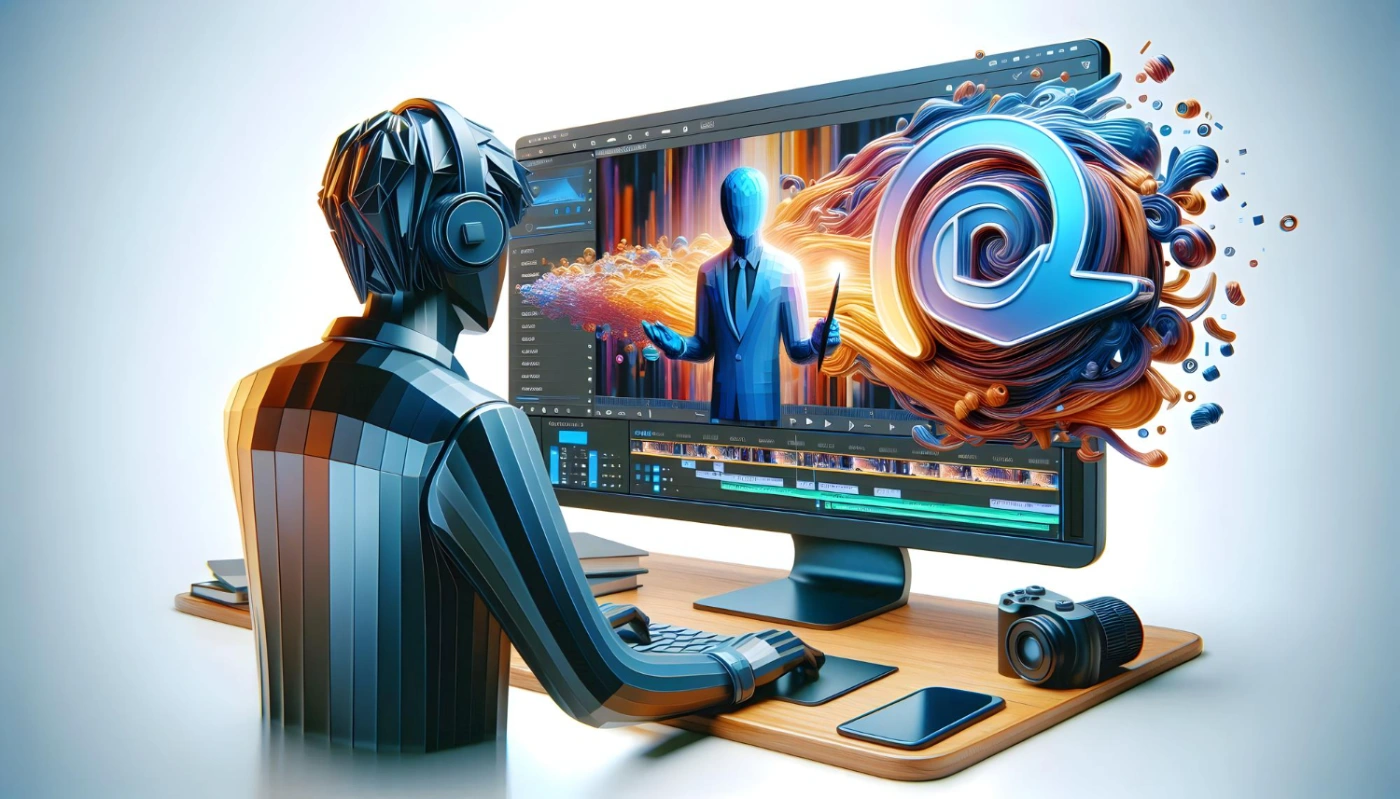
1. Google Veo 3.1 — Best Overall Quality
If there is one tool that defines where AI video generation stands in 2026, it is Veo 3.1. Google’s flagship video model produces true 4K output with native audio in a single generation pass, no separate audio post-production required. The model has an exceptional understanding of natural language and cinematic terminology, which means prompts like “dutch angle, shallow depth of field, fog machine” actually produce what you visualize.
Veo 3.1 sits at S-tier in independent benchmarks. Physics simulation is among the strongest of any model tested, and the lighting behavior, particularly in complex environments, is noticeably more realistic than competitors. It is the tool most cinematographers would choose if budget were no object.
Best for: High-end commercial production, filmmakers, narrative-driven content
Pricing: From $0.15/sec in fast mode; available via Google AI Studio with rate-limited free access
Limitation: Not the cheapest option; access is still gated through Google’s platform
2. Kling 3.0 — Best Cinematic Quality at Scale
Kling 3.0 from Kuaishou has become the go-to tool for anyone who needs cinematic output without paying cinematic prices. In independent testing by Curious Refuge, it scored 8.1/10 overall and 8.4/10 for visual fidelity. The highest score recorded for that metric in the 2026 round of testing.
What sets Kling apart is not just the quality. It is the pricing. At approximately $0.07 to $0.10 per second of generated video, Kling is 65% cheaper than what Sora was charging and 44% cheaper than Runway. For high-volume social media production where you need both quality and quantity, this is a serious competitive advantage. Human characters are rendered with realistic facial expressions, natural body motion, and physical consistency across shots.
Best for: Social media at scale, product B-roll, content marketing, high-volume workflows
Pricing: From $7.99/month; approximately $0.50/clip
Limitation: Less granular directorial control than Runway; occasional issues with small object interactions
3. Runway Gen-4.5 — Best for Creative Control
If Veo and Kling are the outputs, Runway is the control room. Runway Gen-4.5 sits at number one on the Video Arena leaderboard in early 2026, and its strength is not just what it generates; it is how much control you have over the generation process.
Motion Brush lets you paint exactly which elements in an image should move and how. Camera controls let you define dolly moves, pans, and zooms with precision. The image-to-video pipeline is the current leader in its category, with reference image support that keeps subjects consistent across cuts. Filmmakers and directors who want to actually direct their AI-generated footage gravitate toward Runway for good reason.
Best for: Filmmakers, agencies, creative directors, image-to-video workflows
Pricing: Standard from $15/month; credit-based system (predictable for power users)
Limitation: Pure text-to-video is inconsistent without Motion Brush guidance; steeper learning curve
4. HeyGen Avatar IV — Best for Business Video at Scale
HeyGen occupies a completely different category from the cinematic generators above. It is not trying to create photoreal footage. It is trying to help businesses create professional, presenter-driven video at an enormous scale, in any language, without a camera or a studio.
The results are remarkable. HeyGen’s Avatar IV technology produces facial movements with 0.02-second lip sync accuracy. The platform supports 175+ languages with voice cloning, which means you write a script once and localize it to 30 markets without re-recording anything. Trivago used HeyGen to localize across 30 markets and saved 3 to 4 months of post-production time. Vision Creative Labs went from producing 1 to 2 videos per year to 50 to 60 per day.
Best for: Marketing teams, corporate communications, multilingual campaigns, sales enablement
Pricing: From $24/month; free plan includes 3 videos/month
Limitation: Not designed for cinematic footage; avatar-centric workflow
5. Synthesia — Best for Enterprise Training and L&D
Synthesia is the undisputed choice for corporate learning and development. While other tools focus on creative output, Synthesia has spent years building the workflows that large organizations need: structured templates, audit logs, SSO, SOC 2 compliance, and support for videos up to 4 hours long.
The platform has a library of over 140 languages and a deep stock presenter library designed specifically for training contexts. If you are building onboarding modules, compliance training, or product education at enterprise scale, Synthesia’s infrastructure goes beyond what any creative-focused tool offers.
Best for: Enterprise L&D, compliance training, HR onboarding, e-learning platforms
Pricing: From $29/month; Enterprise plans for large organizations
Limitation: Less flexible for creative or cinematic work
6. Seedance 2.0 — Best for Multimodal Native Audio
Seedance 2.0 pioneered something significant: unified joint generation, meaning it creates synchronized audio and video in a single pass rather than generating them separately and stitching them together. This produces a qualitative difference in how the audio feels. Sound effects, dialogue, and ambient sound emerge organically from the scene rather than being layered on top.
By 2026, Veo 3.1 and Kling 3.0 followed Seedance’s lead on native audio. But Seedance remains a strong choice for brand creators and e-commerce teams who need multimodal consistency, characters say what you need them to say, when they need to say it, with audio that matches.
Best for: E-commerce brands, brand storytelling, character-driven content with dialogue
Pricing: Mid-range subscription; check the platform for current rates
Limitation: Less known than the flagship models; smaller community and resources
7. Pika 2.5 — Best for Social Media Creators
Pika has evolved from a simple clip generator into a full creative studio. Pika 2.5 introduced Scene Ingredients, letting you independently control the character, the object, and the setting, along with Pikaframes for defining the first and last frames of a transition, Pikaswaps for object replacement, Pikadditions for inserting new elements into existing footage, and Pikaformance for near-real-time lip-synced talking images.
For social content creators who need bold, scroll-stopping visuals with creative variation, Pika’s toolset is more expressive than any other tool on this list. It is not trying to be photorealistic. It is trying to be interesting.
Best for: TikTok, Instagram Reels, YouTube Shorts, viral content, creative experimentation
Pricing: From $8/month; free credits on signup
Limitation: Lower resolution output compared to cinematic models; best for stylized rather than realistic content
8. Luma Dream Machine (Ray3) — Best UX and 3D Spatial Quality
Luma’s Ray3 model brought something no other AI video generator had offered: native 16-bit HDR output, exportable as EXR files for professional color pipelines. For creators working in high-end production environments, this is a meaningful capability.
Beyond the technical specs, Luma’s user interface is genuinely the most elegant in the category. The platform makes iterative generation test a clip, adjust the prompt, and regenerate feel natural and fast. The 3D spatial quality is exceptional, with rooms that feel volumetric and lighting that behaves physically correctly. Strong for image-to-video workflows where mood and depth matter.
Best for: Pro color pipelines, architecture visualization, image-to-video with spatial depth
Pricing: Lite plan from $7.99/month; Pro from $29.99/month
Limitation: Shorter default clip lengths; fast motion can produce edge artifacts
9. InVideo AI — Best for Automated Marketing Videos
InVideo sits at the intersection of AI video generation and full video production automation. Rather than generating raw footage from a prompt, InVideo can take a URL, a script, or a topic and produce a finished edited video complete with stock footage, voiceover, music, transitions, and captions in under two minutes.
For marketing teams that need a high volume of polished explainer videos, social clips, and ad content without a video editor on staff, InVideo’s automation approach is the most complete end-to-end solution available.
Best for: Marketing teams, content agencies, automated video production, and product explainers.
Pricing: From $25/month (annual).
Limitation: Less original generation; relies on stock footage for most content
10. Creatify — Best for E-Commerce Ad Creative
Creatify was built specifically for one use case: generating performance marketing ad creative at scale. Give it a product URL, and it produces multiple ad variants with different hooks, different visuals, and different formats that are optimized for conversion rather than aesthetics.
For e-commerce brands and performance marketers running constant A/B tests, Creatify’s URL-to-ad workflow removes most of the manual production work from the cycle.
Best for: E-commerce ads, D2C brands, performance marketing agencies
Pricing: Mid-range subscription; check the platform for current rates.
Limitation: Narrow use case; not designed for general creative work
11. CapCut — Best Free Option
CapCut continues to be the best free AI video tool available in 2026. The desktop app exports without a watermark. The free tier includes AI-powered editing features that most paid tools still charge for, and the platform integrates with both Sora 2 and Veo models for generative B-roll within its editing workflow.
For solo creators and small teams who need quality social content without a monthly subscription, CapCut is the most complete free offering in the market.
Best for: Solo creators, social media managers, budget-constrained teams
Pricing: Free; Pro at $9.99/month.
Limitation: Best for editing and enhancement; raw generation is less sophisticated than dedicated generators
12. Adobe Firefly Video — Best for Commercially Safe Content
Adobe Firefly’s video generation is not the most technically impressive tool on this list. But it solves a problem that every enterprise brand and agency faces: copyright risk. Firefly was trained exclusively on licensed content and Adobe Stock imagery, which means every video it generates comes with full commercial usage rights and no intellectual property exposure.
For brands that cannot afford the legal ambiguity that comes with other tools’ training data, Firefly is the only genuinely safe choice in the category.
Best for: Enterprises, agencies, and brands with IP compliance requirements.
Pricing: Included with Adobe Creative Cloud subscriptions; standalone plans available. Limitation: Weaker raw generation quality compared to purpose-built video models
13. Wan 2.6 — Best Open-Source Option
Wan 2.6, developed by Alibaba, is the most capable open-source AI video model available in 2026. It supports first and last frame control, 5,000-character prompts, and a 9-grid image input system. It runs locally if you have sufficient hardware; an RTX 4090 can handle most workflows, and there are no usage fees at all.
For developers, researchers, and technically advanced creators who want full control over their video generation infrastructure, Wan is the only model worth considering. The output quality is genuinely competitive with paid services, particularly for unrestricted creative prompts.
Best for: Developers, technical creators, self-hosted pipelines, unrestricted prompts.
Pricing: Free and open-source (Apache 2.0 license).
Limitation: Requires hardware investment; no managed platform or support
14. Hailuo 2.3 (MiniMax) — Best Budget Paid Option
Hailuo from MiniMax offers four pricing tiers starting at extremely accessible rates, making it the best value among dedicated paid generators. The 2.3 version brought enhanced motion rendering and expanded style support, with solid physics performance and a strong free tier for testing.
For creators who want to explore premium AI video generation without committing to a higher-priced subscription, Hailuo’s combination of free access and affordable paid tiers makes it the natural starting point.
Best for: Budget-conscious creators, exploring AI video for the first time, anime, and stylized content.
Pricing: Free tier available; paid from approximately $0.07/second.
Limitation: Not competitive with S-tier models on photorealism; best for stylized output
15. PixVerse 5.5 — Best for Short Dynamic Social Content
PixVerse V5.5 has carved out a specific niche: short, dynamic, social-ready videos with strong motion energy. Its multi-shot generation capability means you can create coherent sequences across multiple cuts from a single prompt, useful for fast-paced social content that needs visual variety.
The platform also features meaningful free testing limits, which means you can evaluate the output quality before spending anything.
Best for: Short-form social content, dynamic motion sequences, rapid iteration.
Pricing: Free tier with generous limits; paid plans for volume.
Limitation: Not optimized for long-form or narrative content
16. D-ID — Best for Interactive AI Avatars
D-ID serves a specific and increasingly important use case: real-time AI avatar conversations. Rather than pre-generated video, D-ID enables interactive experiences where an AI-powered presenter responds to user input in real time.
For customer service, interactive onboarding, and sales automation, this capability is fundamentally different from anything else on this list. The avatar does not just present. It responds.
Best for: Interactive customer experiences, AI sales agents, real-time personalization.
Pricing: From $5.90/month for basic plans.
Limitation: Not designed for cinematic or batch video production
17. Grok Imagine (xAI) — Best for Creative and Experimental Visuals
Grok’s video generation, distributed via Higgsfield and the xAI API, places in the top tier of independent audio-enabled benchmarks with strong Elo scores. The model has a distinctive strength with emotionally driven, imaginative visuals. Prompts that push toward the surreal, the expressive, or the unexpected tend to produce particularly compelling output.
For creators working on conceptual or artistic content where standard realism is not the goal, Grok Imagine offers a distinct aesthetic voice.
Best for: Artists, conceptual creators, and experimental and emotionally driven visuals.
Pricing: Available through xAI API; check current rates.
Limitation: Not optimized for corporate or commercial use cases
18. HunyuanVideo 1.5 — Best for Long Renders Locally
Tencent’s HunyuanVideo 1.5 is built around one impressive technical achievement: it can render 75-second videos on a single RTX 4090. For local AI video generation, this is the longest output achievable without professional-grade infrastructure.
The model family includes HunyuanVideo-I2V for image-to-video, HunyuanVideo-Avatar for audio-driven human animation, and HunyuanCustom for multimodal-driven customized generation. Everything is Apache 2.0 licensed and runs fully locally.
Best for: Long-form local generation, developers, users with capable consumer hardware. Pricing: Free and open-source.
Limitation: 8.3B parameters demand significant GPU memory; not suitable for lower-end hardware
19. Vidu Q3 (Shengshu) — Best for Animated Series Production
Vidu Q3 launched in January 2026 with a notable distinction: 16-second clips with native audio, the longest in its tier at the time of launch. Shengshu, the company behind it, raised $290 million in April 2026, with Alibaba leading. A signal of serious investment in the platform’s roadmap.
The model is particularly strong for animated series production, where stylistic consistency across multiple clips matters as much as raw quality. It supports Reference-to-Video workflows, letting you feed in character references and maintain visual consistency across a sequence.
Best for: Animated series, stylized storytelling, character-consistent multi-clip production Pricing: Subscription-based; check platform for current rates
Limitation: Less coverage in English-language resources; documentation primarily in Chinese
20. Midjourney Video V1 — Best Entry into Video for Midjourney Users
Midjourney’s first video generation model sits at the A-tier in independent rankings. A genuinely competitive debut for a company known primarily for image generation. For the large community of creators who already use Midjourney for images, the video tool integrates naturally into existing workflows.
The visual style carries Midjourney’s distinctive aesthetic: rich, painterly, slightly hyperreal. If you love Midjourney’s image output, the video model produces clips that feel like natural extensions of that visual language.
Best for: Existing Midjourney users, artistic and painterly visual styles, image-to-video consistency
Pricing: Included in Midjourney subscriptions.
Limitation: Early version; fewer features than dedicated video platforms
Quick Comparison: Which Tool for Which Job

Need cinematic quality for commercial projects? Veo 3.1 or Kling 3.0 are the benchmarks. Veo wins on raw quality; Kling wins on price.
Need maximum control as a filmmaker? Runway Gen-4.5 is the only tool built for directorial input. Motion Brush and camera controls are unmatched.
Running a business that needs video at scale in multiple languages? HeyGen handles multilingual avatar-driven video better than any other platform. Synthesia is the right choice if your primary need is corporate training.
Creating daily social content? Pika 2.5 for creative variety, CapCut for zero-cost production, PixVerse for dynamic short clips.
Running e-commerce ads? Creatify’s URL-to-ad workflow is built specifically for this. Nothing else comes close for performance marketing at volume.
Need copyright-safe content for a major brand? Adobe Firefly is the only commercially clean choice.
Comfortable self-hosting for free? Wan 2.6 or HunyuanVideo 1.5 are the most capable open-source options available.
What Changed in 2026
The most significant shift this year is not quality; it is audio. In early 2025, every AI video tool generated silent clips. By mid-2026, four of the six major flagship models will produce synchronized native audio in a single generation pass. Sound effects match the action. Dialogue is lip-synced. Ambient audio feels like it belongs to the scene.
The second shift is cost. The price per second of AI-generated video has dropped sharply. What used to cost $0.75 per second is now achievable at $0.07 with tools like Kling and Hailuo. Open-source models run for free on consumer hardware.
The third shift is that this is now genuinely production-ready. Marketing teams, agencies, and content creators are using these tools not to experiment but to ship real work at real deadlines.
The next 12 months will push toward longer clips, more consistent characters across scenes, and tighter integration between video generation and automated production pipelines.
If you are not experimenting with at least one of these tools today, you are starting behind.