Amazon Agrees to Pay $2.25 Million to Settle U.S. Case Involving Identity Theft Victims
Amazon has agreed to pay $2.25 million to settle a lawsuit brought by the US government against victims of identity theft.
While the amount is small compared to Amazon’s huge revenues, the case shows that even the biggest companies are still under scrutiny, especially when it comes to protecting their users.
Identity theft remains one of the most common cybercrimes in the world. When criminals gain access to people’s personal information, they can use it to create fake accounts, make unauthorized purchases, or misuse online services.
That’s why companies are expected to focus on preventing such incidents rather than compensating for them.
Why This Case Matters Beyond Amazon
It may be impressive to see a company like Amazon pay such a large sum, but the significance of this case is much greater than that.
With the proliferation of online shopping, online payments and cloud services, users are providing technology companies with an unprecedented amount of their personal information. Bank and address information.
And in today’s world, this personal information is one of the most valuable assets for cybercriminals.When a person’s identity is stolen, the damage is not limited to a single financial transaction. Many victims spend months repairing their credit history, pursuing fraudulent transactions and restoring their financial accounts.
For this reason, regulators expect technology companies to develop stronger authentication systems, mechanisms to detect suspicious activity, and faster processes to support victims.
Identity Theft Is Becoming a Bigger Cybersecurity Challenge
When cybersecurity is discussed, minds often turn to ransomware attacks or massive hacks;
yet, in reality, identity theft remains one of the most common and costly cybercrimes for both individuals and businesses.
Attackers typically obtain personal information through methods such as:
Data breaches
Phishing attacks
Theft of user login credentials
Social engineering
Malware
Weak or reused passwords
Once obtained, criminals can use the stolen information across multiple online services before the victim even realizes what has happened.
For a company like Amazon, detecting suspicious behavior is one of the most important parts of customer trust.
Trust has become a competitive advantage.
Cybersecurity is a critical factor for businesses and a key factor in business success.
Today, users expect online platforms to protect their accounts, quickly identify suspicious activity, and respond quickly and effectively when problems arise.
Any security incident, legal complaint, or privacy-related lawsuit can directly impact the level of trust users have in a brand.
This is especially important in the e-commerce industry.
Amazon is one of the most used online shopping sites, with billions of people making purchases every day. This lawsuit may have affected a small number of people, but it doesn’t bode well for the brand.
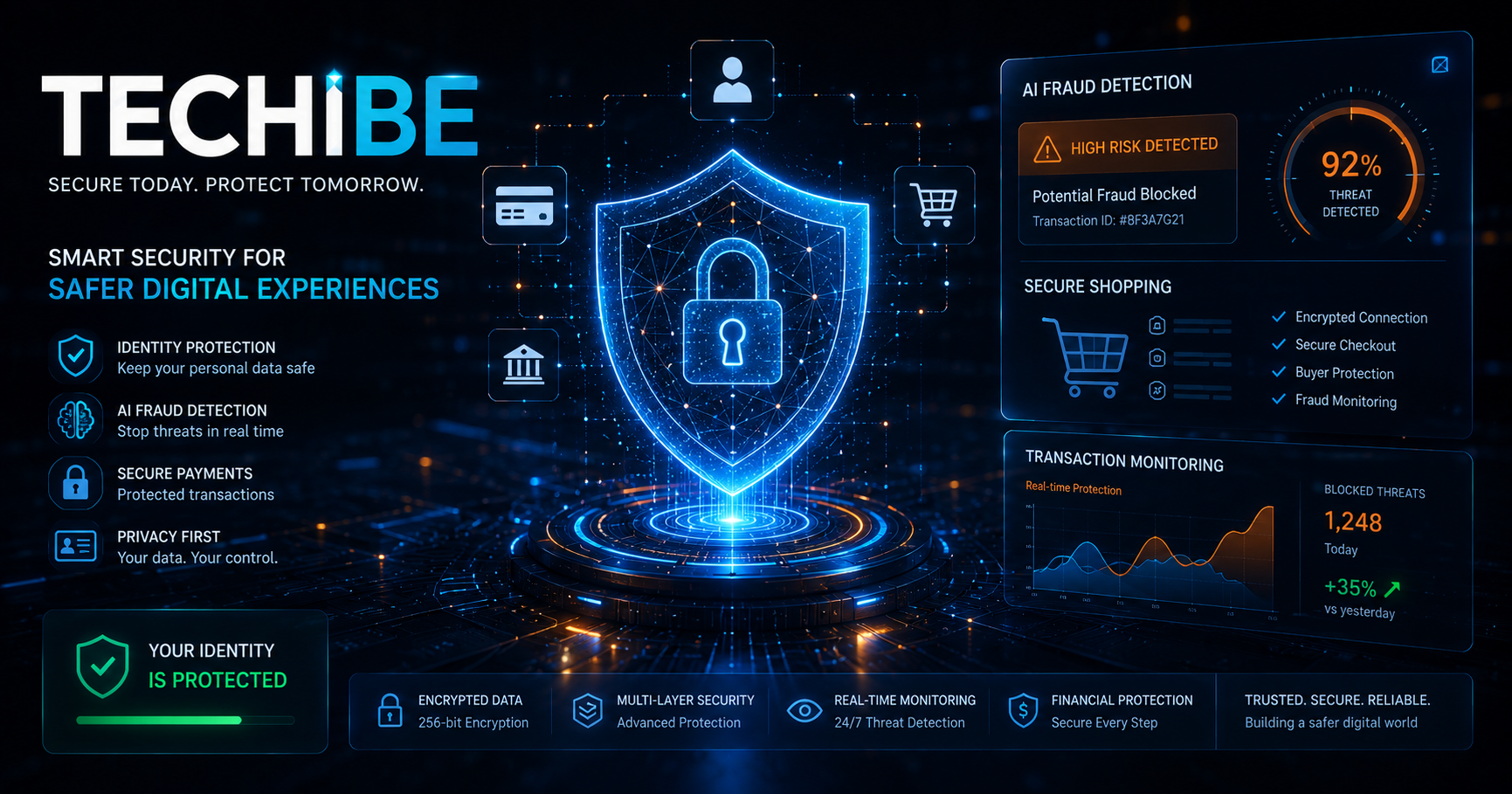
That’s why tech companies are investing billions of dollars in AI-powered fraud detection systems, user behavior analytics, and real-time authentication technologies that can detect unusual behavior in seconds and prevent suspicious transactions.
For businesses, preventing fraud is almost always much less expensive than paying legal fines, financial damages, and brand reputation damage.
Increasing pressure from regulatory bodies
Governments are more responsible for these scams than any company In the past, regulators focused on companies that suffered data breaches, but now the scope of this oversight has expanded.
Today, how companies deal with the misuse of stolen identities has become just as important. This shift is a significant shift in the eyes of regulators.
Technology companies are now expected to demonstrate that they have effective systems in place to detect suspicious activity, authenticate users, and protect victims of fraud.
Amazon is not the only company facing such scrutiny.
Banks, payment companies, online retailers, and even social media have also invested heavily in identity theft prevention technologies as regulators’ expectations become stricter every year.
All of this legislation shows that protecting consumers’ rights is a top priority for them.
What lessons can businesses learn?
Although this case directly concerns Amazon, the lessons learned are applicable to all organizations.
Any company that stores customer data is responsible for protecting it—not only against cyberattacks but also against the misuse of stolen identities.
For this reason, businesses should regularly review the following:
User authentication processes
Use of multi-factor authentication (MFA)Fraud detection systems
Cybersecurity training for employees
Customer notification procedures
Security incident response plans
Organizations that prioritize security are typically better able to prevent financial losses, maintain customer trust, and comply with new regulations.In today’s digital economy, security is no longer just a technical capability; it’s part of the user experience.
Companies that convey a sense of security to their customers will gain a significant competitive advantage in the long run.
The Bigger Picture: The Change That's Happening in the Tech Industry
This case was not just about the financial damages, it represented a major shift in the industry and a major advance in cybersecurity.
For years, companies’ main focus was on preventing hackers from infiltrating and leaking data. But today, the more important issue is how companies prevent users’ data from being misused if it is compromised for any reason.
For this reason, technology companies have invested heavily in new technologies, including:
AI-based fraud detection systems
Behavioral authentication
Advanced identity verification technologies
Real-time transaction monitoring
Account takeover prevention
Digital trust management and compliance solutions
These services are not a competitive advantage in this case, but rather a necessity.
What message does this case have for users and businesses?
This data protection isn’t just about companies; users need to take their own security measures and care.
Using strong and unique passwords, enabling two-factor authentication (MFA), regularly reviewing bank accounts, and promptly reporting any suspicious activity are still the most important ways to combat identity theft.
But the message of this case is even more important for businesses.
Cybersecurity is no longer just a technical or legal requirement; it is directly tied to customer trust and brand reputation.
Companies that invest in fraud prevention, user identity protection, and transparent response in the event of incidents will have a better chance of retaining customers and reducing legal and financial risks.
In a world where digital services are becoming an increasingly important part of people’s lives, security has become one of the most important factors in competition among technology companies.
conclusion
Amazon's $22.5 million settlement doesn't mean the end of the case. It may be financially significant, but the consequences for the company were much greater than the fine.
This case shows that expectations of technology companies are changing. Today, simply providing online services is not enough; users expect platforms to proactively protect their identities and personal information and to respond quickly and effectively to potential abuses.
For the entire technology industry, the message of this case is clear: digital trust has become one of the most valuable assets of any company, and protecting users’ identities will be an integral part of that trust.
FAQs
1. Why did Amazon agree to pay $2.25 million?
Amazon agreed to settle a U.S. government case involving identity theft victims without continuing lengthy legal proceedings.
2. Does the settlement mean Amazon admitted wrongdoing?
Legal settlements often resolve disputes without an admission of liability. The agreement closes the case while avoiding further litigation.
3. Why is identity theft a growing concern?
Identity theft enables criminals to open fraudulent accounts, make unauthorized purchases, and commit financial fraud using stolen personal information.
4. How can businesses reduce identity fraud?
Organizations can strengthen identity verification, deploy AI-powered fraud detection, enable multi-factor authentication, and continuously monitor suspicious account activity.
5. What should consumers do to protect themselves?
Consumers should use unique passwords, enable multi-factor authentication, monitor financial accounts regularly, and immediately report suspicious activity to service providers.