South Korea Accuses Google of Abusing Android App Store Dominance
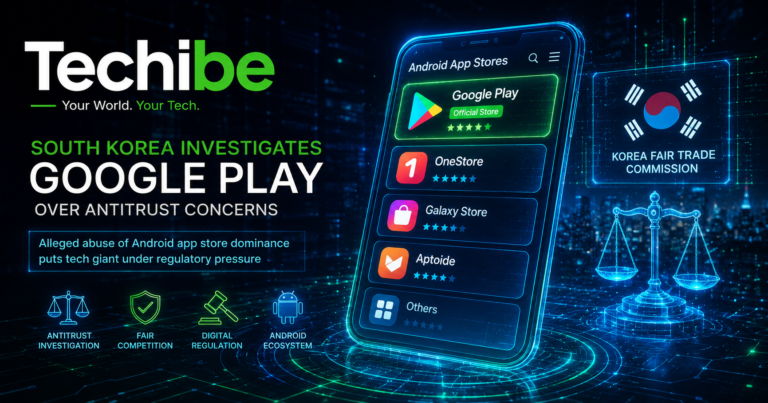
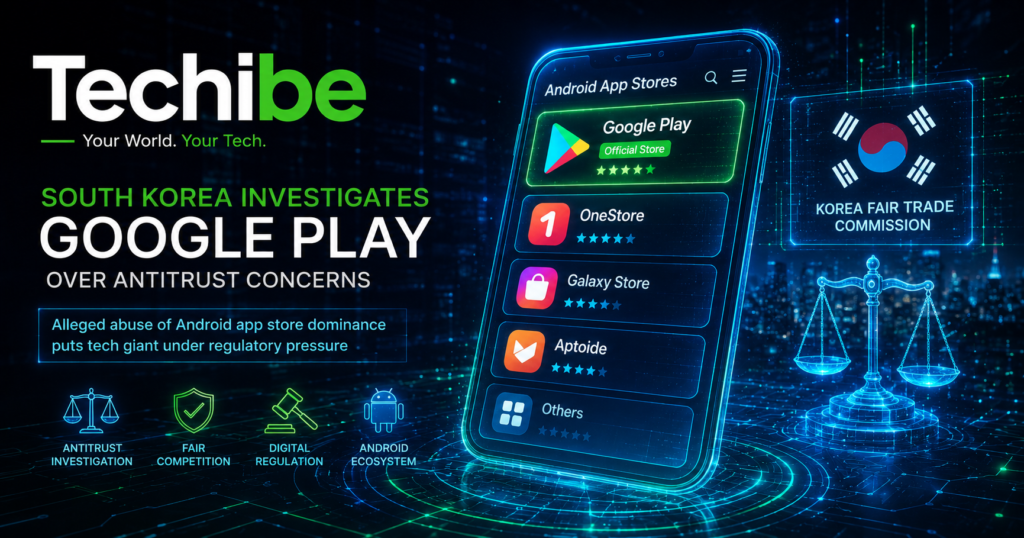
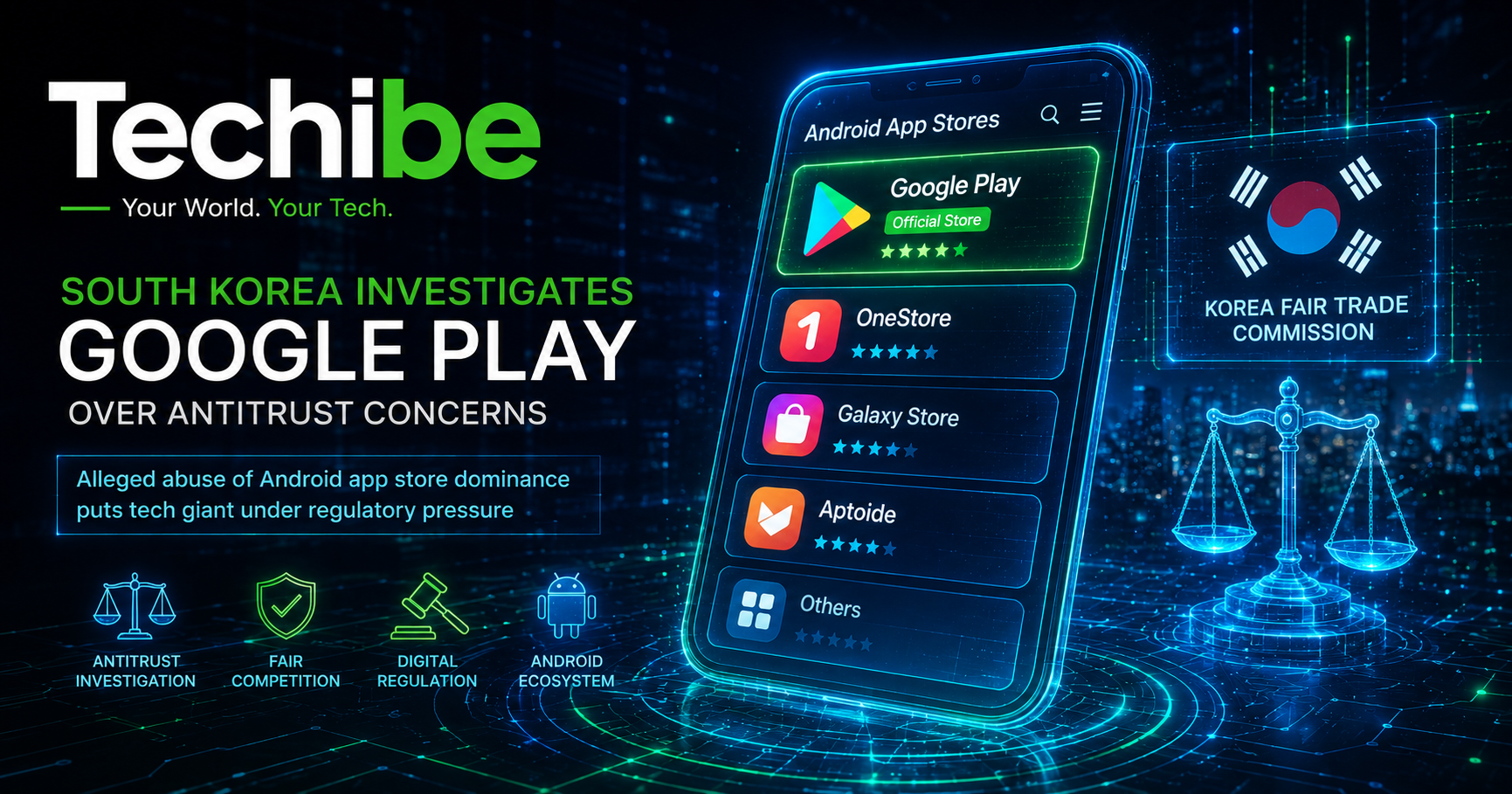
Google is facing a new antitrust challenge. The South Korean Fair Trade Commission (KFTC) has accused the company of abusing its dominant position in the Android app store market and distorting competition in favor of Google Play by offering financial incentives to developers.
The South Korean regulator said Google implemented programs that encouraged mobile game developers to offer their products on Google Play on terms equal to or better than those offered by rival stores. The KFTC believes these policies have weakened competition and further strengthened Google’s position in the Android app distribution market.
The new case adds to the regulatory pressure on Google, along with other antitrust investigations in the United States, Europe and Asia.
What has South Korea accused Google of?
According to a report by the KFTC Google gave money and business benefits to developers. This was to make them put their games on Google Play..
They had to make Google Play more important than other platforms.The Korean regulator says these rules were unfair.
They stopped app stores from competing for developers and users.
OneStore, South Koreas local app store is one of the companies hurt by this. It has been trying to get users on Android in South Korea.Korean officials think Google may have broken the rules.
They think Google might have used its position, in the market unfairly.
Competition in the Android App Store Market
Android is known for being a platform but the truth is, Google Play is still the biggest app store out there.
Most Android phones have Google Play on them already which makes it tough for other stores to get people to use them and to get developers to make apps for them.
Lately people in charge in countries have been looking into how Google runs its store what rules it has for developers and what it requires to publish an app.
The thing that happened in South Korea is one more example of people taking Google to court for not being fair and this is not just about the app store it is also, about search, online ads, cloud services and the whole mobile ecosystem including Google Play and Android.
Google could face heavy fines
If the South Korea Fair Trade Commission decides that Google has broken the rules the company will have to pay a lot of money.
The South Korea Fair Trade Commission can fine companies up to 6 percent of the money they make from the market they're in.
The people in charge might also tell Google to change some of its rules for developers and the way it works with companies and how it runs the Google Play Store.
This decision will not just affect the Korean market but it will also affect Googles business in other countries, around the world.
What does this case mean for Google?
South Korea’s new trend is not limited to a local market.
Google has faced a wave of antitrust investigations in recent years in countries ranging from the European Union to the United States, Japan, and now South Korea.
What many of these cases have in common is whether Google has used its dominant position to restrict competition and bolster its own proprietary services.
If the KFTC confirms Google’s wrongdoing, the case could become another example of the growing global pressure on big tech companies.
How are app developers affected?
The result of this case will affect app and game developers.
If Google Play has to follow rules developers might be able to publish their apps on other stores more easily.
This change could do a things:
* Make app stores compete with each other more.
* Make it cheaper for developers to publish and distribute their apps.
* Give app stores more chances to grow.
* Give Android users choices.
* Make developers less dependent on one store.
In the end having more competition could lead to ideas and better services for users. App and game developers will see the difference. More competition will be good, for app and game developers.
Global pressure on Big Tech continues to mount
The South Korea case is part of a broader trend in which governments and regulatory bodies worldwide are attempting to curb the power of major technology companies.
In recent years, Google, Apple, Meta, Amazon, and Microsoft have faced numerous investigations and lawsuits across various areas, including:
Market monopolies
App stores
Digital advertising
Cloud services
Artificial intelligence
User privacy
This trend indicates that technology regulation will become one of the most significant issues in the digital industry in the coming years.
conclusion
The new charges against Google by the South Korean Fair Trade Commission have opened a new chapter in the global battle between regulators and big tech companies.
Although Google has denied the charges and a final decision has yet to be made, the case could have a significant impact on how Google Play operates and Google’s business policies in the Android marketplace.
As antitrust laws increase around the world, tech companies will increasingly have to balance business growth, innovation, and compliance with competition laws—an issue that will shape the future of the mobile app ecosystem and the digital economy.
FAQs
1. Why is South Korea investigating Google?
South Korea's Fair Trade Commission (KFTC) alleges that Google abused its dominant position in the Android app store market by offering financial incentives that encouraged developers to prioritize Google Play over competing app stores.
2. What is Google Play?
Google Play is Google's official app marketplace for Android devices, providing apps, games, digital content, and software updates to billions of users worldwide.
3. Which company was allegedly affected?
According to regulators, OneStore, South Korea's leading domestic Android app marketplace, may have been harmed by Google's alleged anti-competitive practices.
4. Could Google face financial penalties?
Yes. If the KFTC determines that Google violated South Korean competition law, the company could face fines of up to 6% of the relevant revenue generated from the affected business.