Companies Are Rehiring Workers After AI Replaces Jobs Faster Than Expected
In recent years, artificial intelligence was introduced as a tool capable of eliminating many jobs. Aiming to cut costs and boost productivity, various companies downsized their workforces and handed over tasks—such as customer support, content creation, marketing, programming, and administrative work—to AI-powered tools.
But now, the situation is changing.
New reports show that most employers who previously replaced their employees with AI are now bringing back some of the same workforce. The practical experience of many organizations has shown that current AI technologies, despite significant progress, still cannot fully replace human workers in many complex tasks.
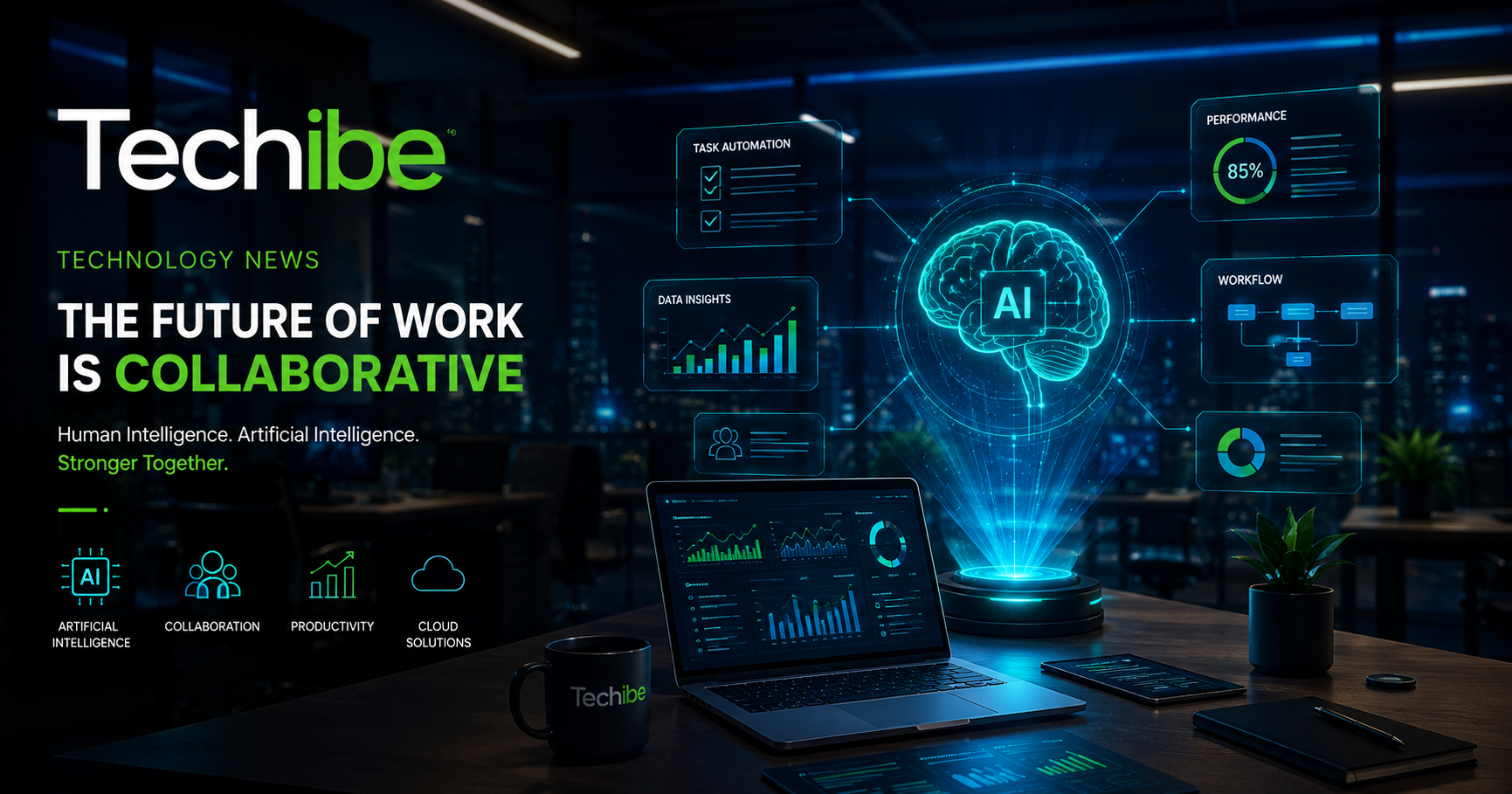
This change shows that the future of the labor market will be shaped by the cooperation of humans and AI, and human workers cannot be eliminated.
Why have companies changed their minds?
Company managers thought they could automate a significant portion of their organization’s activities in a short period of time, but they were wrong.
However, after implementing AI projects in real environments, the limitations of this technology became more apparent than ever.
Among the most important problems that companies faced were the following:
Incorrect or misleading AI responses
Inability to handle complex customer requests
Limited understanding of real business conditions and needs
Increased need for review and quality control of outputs
Poor performance in unexpected situations
In most cases, employees had to review and modify the outputs generated by AI, which was more time-consuming, which effectively eliminated some of the expected savings for companies.
For this reason, some organizations have decided to re-use human resources alongside AI tools.
Artificial intelligence has not become a complete replacement for humans.
. It won't.
Companies have sent tasks to AI but employees still make key decisions handle complex customer relationships and plan strategically.
Early adopters of AI have seen that it works best with help not replacing it.
This team approach boosts productivity without hurting service quality or customer satisfaction.
Companies are using AI to help employees not replace them. Thats making things work better.
It helps employees do their jobs efficiently and still give great service.
Companies' view of artificial intelligence is changing
This shift indicates that the enterprise AI market has entered a new phase.
At the beginning of AI’s emergence, companies were more concerned with reducing human resources costs. But now their focus has shifted to sustainable use, long-term productivity, and balancing technology with human resources.
Instead of asking “Can AI replace humans?”, many managers are now asking “How can humans and AI work together to create the best results?”
This same shift is gradually redefining the hiring and HR strategy of many of the world’s largest companies.
Why is human-AI collaboration more effective?
The experience of companies that used Artificial Intelligence on shows that Artificial Intelligence works really well when it helps people and they do not have to do everything themselves.
Artificial Intelligence can do things like get information write reports look at data and answer questions very fast.. Artificial Intelligence is not good, at talking to people or making big decisions.
Companies are changing the way they do things so that each task is given to the person or Artificial Intelligence that can do it best. This way Artificial Intelligence and people can work together. Do a better job.
Where is the job market headed in the age of artificial intelligence?
Experts say the new wave of AI doesn’t necessarily mean a permanent decline in job opportunities.
Many jobs are changing. Skills like working with AI tools, analyzing data, managing AI projects, and monitoring the output of AI models are gradually becoming part of the core needs of the job market.
More than ever, companies need people who can use AI as a productivity tool, not as a substitute for it.
What message does this have for businesses?
This experience showed that making decisions, about layoffs based on current Artificial Intelligence capabilities was risky.
Organizations that have managed to balance resources and technology have achieved better results in productivity, service quality and customer satisfaction.
focusing solely on reducing costs managers are now looking to build work models in which humans and Artificial Intelligence complement each other.
conclusion
Some companies are now hiring people who lost their jobs because of Artificial Intelligence.
This shows that the job market is becoming more realistic.Artificial Intelligence is still an important technology that is changing everything.. Companies have found out that Artificial Intelligence is most useful when it is used with people not instead of them.In the future the companies that do the best will be the ones that can use Artificial Intelligence and human skills together. This way they can get work done and still make good decisions and come up with new ideas.
The key is to balance Artificial Intelligence and human skills so that Artificial Intelligence and human skills work together to make the company successful.
FAQs
1. Why are companies rehiring workers after AI layoffs?
Many organizations found that current AI systems still struggle with complex decision-making, customer interactions, and tasks requiring human judgment. As a result, some employers are bringing experienced workers back to complement AI tools.
2. Does this mean AI is replacing fewer jobs?
Not necessarily. AI continues to automate repetitive work, but many businesses are discovering that human expertise remains essential for creativity, strategic thinking, and managing complex situations.
3. What industries are seeing this trend?
The shift is most visible in customer service, software development, marketing, administrative operations, content creation, and other knowledge-based industries adopting generative AI.
4. What is the future of AI in the workplace?
Most experts believe businesses will increasingly adopt a hybrid model where employees use AI to improve productivity instead of being completely replaced by it.
5. What skills will become more valuable in the AI era?
Skills such as critical thinking, problem-solving, communication, AI literacy, data analysis, and the ability to work effectively alongside AI tools are expected to become increasingly important.