Apple Takes Epic App Store Fee Battle to the US Supreme Court
One of the tech industry’s most important legal battles has entered a new phase.
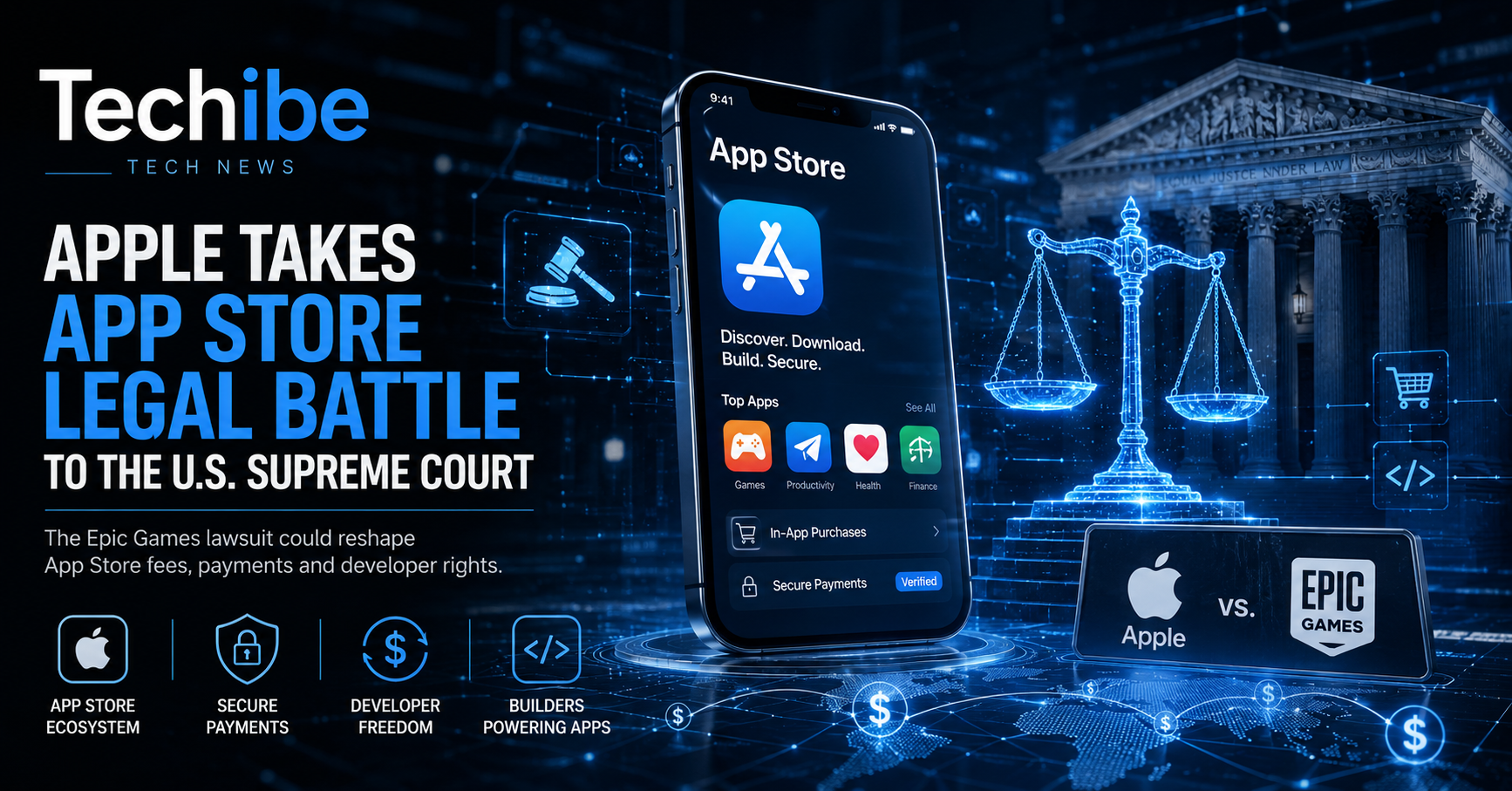
Apple has asked the U.S. Supreme Court to review its years-long battle with Epic Games over App Store rules and in-app payment fees. The case, which has been at the center of years of debate over competition, monopoly and developer rights, could affect the future of the mobile app economy.
Apple’s new request follows a lower court ruling stating that the company had not fully complied with a previous court order granting developers greater freedom to direct users to payment methods outside the App Store. If the Supreme Court agrees to hear the case, its final ruling could reshape the way app stores operate for years to come.
Where did the dispute between Apple and Epic Games start?
Since then, this case has evolved into one of the most significant antitrust lawsuits in the technology industry and remains ongoing.
The dispute dates back several years to when Epic Games challenged Apple’s App Store business model.
Epic argued that Apple’s use of a proprietary payment system stifled competition and imposed higher costs on both developers and users.
Apple, meanwhile, has consistently defended its policies, maintaining that these rules are essential for ensuring user security and privacy, as well as for managing one of the largest app stores of this generation.
Why is Apple's request to the Supreme Court significant?
Apple has since made policy changes to allow external payment links.
While previous courts have allowed Apple to keep the overall structure of the App Store, they have also ordered the company to allow developers to direct users to payment methods outside of Apple’s system.
The Supreme Court’s final decision could set an important precedent for all app stores and digital platforms.
Epic Games argued that Apple was violating court rules by continuing to charge fees for some transactions made outside of the App Store.
A federal judge ruled that Apple had not properly implemented the previous ruling, prompting the company to appeal to the U.S. Supreme Court.
A case that could change the future of the app economy
The dispute between the two companies is not just legal.
Today, the case has become one of the most important discussions in the technology industry on topics such as:
Competition in digital markets
App store fees
Developers' freedom to choose payment methods
Users' right to choose
Antitrust laws
Oversight of big tech companies
The Supreme Court's final decision could affect not only the App Store, but also the policies of other app stores and even digital laws in different countries, as many regulatory bodies around the world are closely following the case.
Regulatory pressure on Apple is increasing
The Epic Games case is just one of several legal challenges Apple has faced in recent years.
In countries including the United States and the European Union, regulators have increasingly scrutinized the practices of big tech companies. Issues such as monopoly, competition, app store fees, and user choice have become central to many of these investigations.
This trend suggests that legal pressure on companies like Apple, Google, and other digital store operators is likely to continue in the years to come.
What does this case mean for the tech industry?
If the Supreme Court rules in Apple’s favor, the company could retain much of its current App Store model and strengthen its position in the mobile app market.
But if the final ruling favors Epic Games, Apple could be forced to make broader changes to its store rules that could impact the company’s revenue, how developers operate, and even the business models of other app stores.
For that reason, many analysts are calling the case one of the most important legal battles in the history of the tech industry.
What impact will this case have on developers?
The outcome of this case is significant not only for Apple or Epic Games; millions of app developers worldwide are awaiting the final verdict.
If Apple’s restrictions are eased, developers might find it easier to direct users to independent payment systems—a shift that could reduce their reliance on App Store fees and generate greater revenue for software businesses.
Conversely, Apple maintains that the current App Store system safeguards user security, arguing that removing some of these controls could increase security risks and the incidence of online fraud.
conclusion
The Apple-Epic Games case is no longer just a legal dispute between two companies; it has become a symbol of the clash between the traditional business model of digital platforms and the new demands of developers and regulators.
Whatever the outcome of this case, it is likely that its impact will go beyond Apple and Epic Games, setting new standards for the entire tech industry and the app economy worldwide.
FAQs
1. Why is Apple appealing to the U.S. Supreme Court?
Apple is asking the Supreme Court to review a lower court decision involving App Store payment rules and whether the company properly complied with an injunction related to external payment options.
2. What is the dispute between Apple and Epic Games?
Epic Games argues that Apple's App Store policies unfairly restrict competition by requiring developers to use Apple's payment system and pay commissions on digital purchases.
3. What could happen if Apple loses the case?
Apple may be required to further loosen its App Store payment restrictions, giving developers more freedom to direct users to alternative payment methods.
4. Why is this case important for developers?
The outcome could affect how developers monetize their apps, reduce payment processing costs, and change how digital transactions are handled across Apple's ecosystem.
5. Could this decision affect other technology companies?
Yes. A Supreme Court ruling could influence future regulations for other digital marketplaces, including Google Play and similar app distribution platforms around the world.